 Symptoms from improperly administered vaccinations - known as SIRVA, for "shoulder injury related to vaccine administration''
 - include chronic pain, limited range of motion, nerve damage, frozen shoulder (the inability to move the shoulder) and rotator cuff tear.
Last December during a routine physical exam, I received a vaccination to protect against several strains of pneumonia. It hurt, more so than the usual injection. In the days that followed, the pain in my left shoulder worsened. Initially, I dismissed it as typical post-shot soreness. But it didn’t go away.
All these months later, it still hurts. My orthopedist says I have subacromial bursitis, which is chronic inflammation and excess fluid buildup in the bursa (a thin, lubricated sac that prevents friction between a bone and surrounding soft tissue) separating the acromion bone at the top of the shoulder from the rotator cuff.
[/B][/U][/I]
I’m convinced this occurred because the nurse injected the vaccine too high on my arm. I had no symptoms before the shot, and pain has persisted since. The needle probably entered the top third of the deltoid muscle – which forms the rounded contours of the shoulder – and probably went into the bursa or the rotator cuff, instead of lower down, into the middle part of the muscle, missing the bursa and rotator cuff entirely. I say “probably” because I wasn’t watching. Like many, I avert my eyes at the sight of an approaching needle.
“The first time I had someone complain about shoulder pain following a vaccination was about five or six years ago, and I thought it was so unusual that I blew it off,” says G. Russell Huffman, an associate professor of orthopedic surgery at the Hospital of the University of Pennsylvania. “Since then, I’ve seen more than a dozen patients who have suffered shoulder injuries after vaccinations. Almost universally, when I ask where the shot went, they point really high up on the arm.”
Article content
Symptoms from such mishaps – known as SIRVA, for “shoulder injury related to vaccine administration” – include chronic pain, limited range of motion, nerve damage, frozen shoulder (the inability to move the shoulder) and rotator cuff tear.
These injection-caused injuries often make simple tasks – such as lifting your arm to change a light bulb or reaching behind you to put your arm through the sleeve of a jacket – painful, even impossible. Some victims cannot use their shoulder at all and must find ways to compensate using the other one.
In public settings, “some people go in . . . and lower their collar, exposing only the top of the deltoid,” says Marko Bodor, a California orthopedist who authored a 2006 report that described vaccination-related shoulder injuries in two of his patients. “They are more likely to get their shot in the top of the deltoid because they can’t pull their shirt all the way down.”
In 2011, the Institute of Medicine issued a report on the adverse effects of vaccines, concluding, among other things, that vaccine administration can lead to shoulder problems and stating that it found “convincing evidence of a causal relationship between injection of vaccine . . . and deltoid bursitis, or frozen shoulder, characterized by shoulder pain and loss of motion.”
My inoculation took place in a physician’s office, administered by a nurse. I now believe she inadvertently went too high up because I was sitting in a chair – talking to someone else in the office – and she was standing.
After eight days of pain, I called the practice. One of the doctors suggested I take ibuprofen for a few days. I don’t like taking drugs unless unavoidable – and in this case I felt it would only be masking the pain – so I ignored the advice.
A vaccine is an immunologically sensitive substance, and
if you were to receive an injection too high – in the wrong place – you could get pain, swelling and reduced range of motion in that area
Inactivated vaccines, which are made from killed virus, contain adjuvants, or additional chemicals, that help promote a robust immune response. Injections are given to adults in the middle of the deltoid, the meatiest part of the muscle, which provides lots of space to both maximize the immune response and minimize adverse reactions.
“A vaccine is an immunologically sensitive substance, and if you were to receive an injection too high – in the wrong place – you could get pain, swelling and reduced range of motion in that area,” says Tom Shimabukuro, deputy director of the Centers for Disease Control and Prevention’s immunization safety office. When that happens, he adds, “an acute process can become chronic.”
“As soon I got the shot, it hurt so bad, I jumped,” says Debby Russo, 60, of Eagleville, Pa., who got a flu shot in 2011 at a pharmacy. An MRI showed excessive fluid buildup in the bursa. “By the time I got home, I couldn’t lift my arm out to the side.
Elizabeth Cassayre, 81, a retired schoolteacher from Napa, Calif., developed frozen shoulder that plagued her for months after getting her flu shot at a grocery store about 10 years ago. “My shoulder started hurting the afternoon I got the shot,” she says, and after several days “it had gotten terribly painful and I couldn’t lift my arm. I remember thinking: Will I ever be able to roll out another pie crust for my grandchildren?”
Between 2011 and 2014, the compensation program received 136 claims alleging upper-extremity injuries, including SIRVA (along with others such as general arm pain and disfiguring lumps). As of May, the federal court that adjudicates such claims had awarded compensation for 102 of them, with payments totaling about $16 million.
I
n July, HRSA proposed adding SIRVA to the program’s list of covered injuries. While SIRVA has not been on the list until now, the court has awarded compensation for such injuries based on growing evidence of causation.
The Vaccine Adverse Event Reporting System (VAERS), run jointly by the CDC and the Food and Drug Administration, has received about 1,200 complaints of post-vaccination shoulder-related injuries since 1990, according to the CDC. Shimabukuro stresses, however, that a report does not necessarily mean the vaccine caused the injury, only that it occurred sometime after a vaccination.
“Vaccines have a utility, and people should get them, but it’s important that people also realize there can be injuries,” says Paul Brazil, a Philadelphia attorney who represents about 150 clients with vaccine-related shoulder injuries. “Most are flu-shot cases because these shots are so common. Nobody believes people who say they’ve been hurt by flu shots, but it can happen.”
There is no single way to treat shoulder injuries, regardless of how they occur. Treatments that work for some may not work for others.
Physical therapy after an injury can help keep the shoulder flexible and strengthens the muscles that control the shoulder blade. Cortisone injections suppress the immune response, thus relieving pain and inflammation. Bodor uses ultrasound imaging to target precise sites for cortisone injections, which cured Cassayre after several months of ineffective physical therapy.
No one should shun them because of the small risk of shoulder injury. The consequences of getting a vaccine-preventable disease can be far more serious
Some patients undergo surgery. Russo, for example, tried physical therapy, but it didn’t work. She then had an operation to remove the inflamed tissue, which solved the problem.
I had an MRI in May. The images showed excessive fluid buildup and inflammation in the bursa, and a small incomplete tear in my rotator cuff. The tear is in line with the fibers of my cuff, much like a split in a seam. It’s unclear whether I had the tear before the shot or whether the shot caused it. I’d had no prior symptoms, and Annunziata says the shot might either have caused the tear – if the needle went into the cuff – or stirred up a prolonged inflammatory response in the area, causing the tear to become painful.
There is no single way to treat shoulder injuries, regardless of how they occur. Treatments that work for some may not work for others.
Physical therapy after an injury can help keep the shoulder flexible and strengthens the muscles that control the shoulder blade. Cortisone injections suppress the immune response, thus relieving pain and inflammation. Bodor uses ultrasound imaging to target precise sites for cortisone injections, which cured Cassayre after several months of ineffective physical therapy.
No one should shun them because of the small risk of shoulder injury. The consequences of getting a vaccine-preventable disease can be far more serious
Some patients undergo surgery. Russo, for example, tried physical therapy, but it didn’t work. She then had an operation to remove the inflamed tissue, which solved the problem.
I had an MRI in May. The images showed excessive fluid buildup and inflammation in the bursa, and a small incomplete tear in my rotator cuff. The tear is in line with the fibers of my cuff, much like a split in a seam. It’s unclear whether I had the tear before the shot or whether the shot caused it. I’d had no prior symptoms, and Annunziata says the shot might either have caused the tear – if the needle went into the cuff – or stirred up a prolonged inflammatory response in the area, causing the tear to become painful.


 Re: Vaccination Injuries On Record for Covid19

 Reply With Quote





 HealthImpactNews

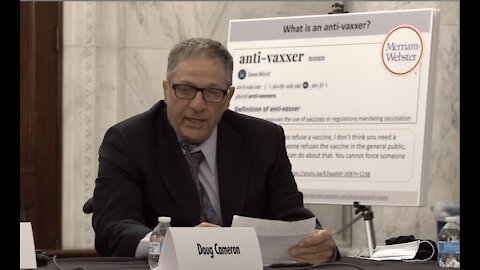

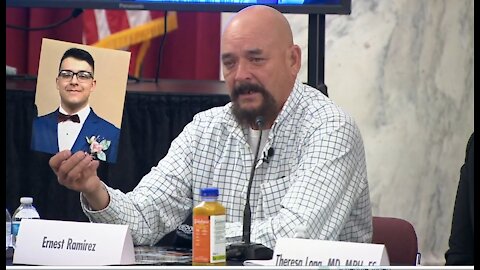
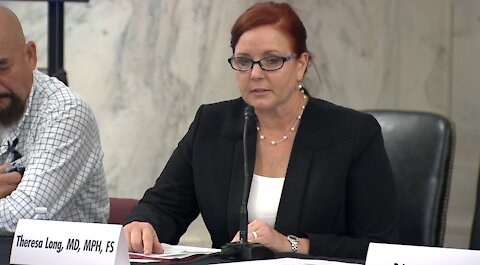






 Here's another brave nurse speaking out.


Bookmarks