+ Reply to Thread
Page 1 of 2 1 2 LastLast
Results 1 to 20 of 27

Thread: Microplastics

  1. Link to Post #1
    Scotland Avalon Member Ewan's Avatar
    Join Date
    24th February 2015
    Location
    Ireland
    Age
    63
    Posts
    2,610
    Thanks
    76,348
    Thanked 21,020 times in 2,564 posts

    Default Arctic research reports record levels of microplastics

    https://www.theguardian.com/environm...arctic-sea-ice


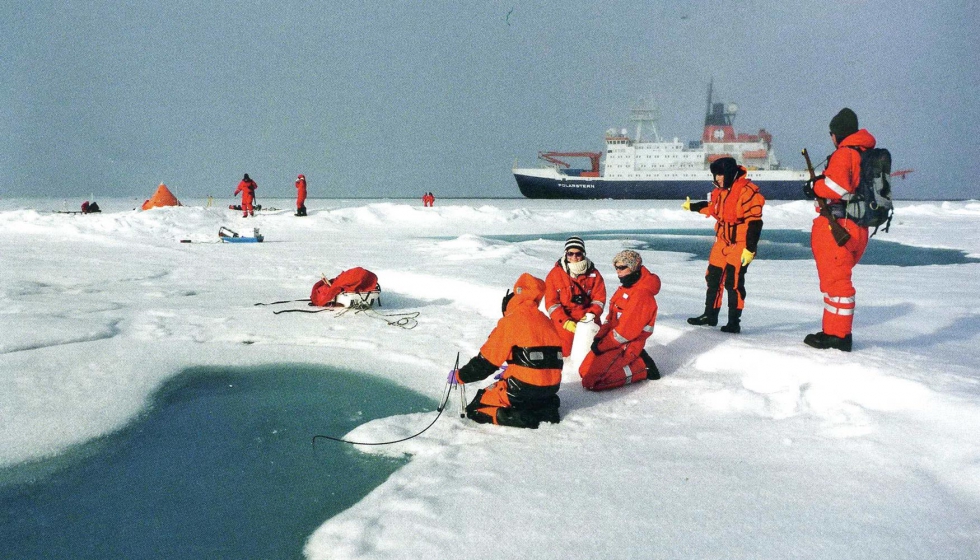
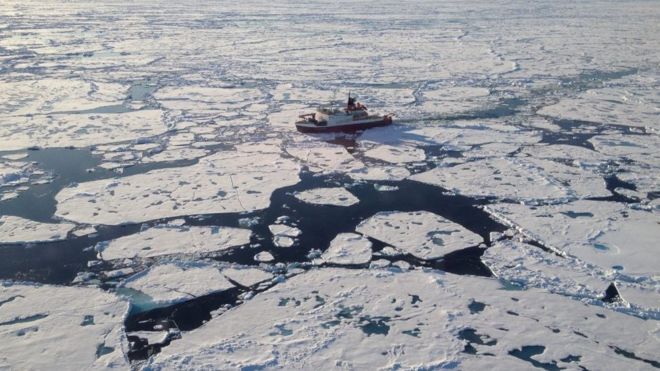
    Scientists have found a record amount of plastic trapped in Arctic sea ice, raising concern about the impact on marine life and human health.

    Up to 12,000 pieces of microplastic particles were found per litre of sea ice in core samples taken from five regions on trips to the Arctic Ocean – as many as three times higher than levels in previous studies.

    Researchers at the Alfred Wegener Institute, Helmholtz Centre for Polar and Marine Research (AWI) found fragments of packaging, paints, nylon, polyester and cellulose acetate which is commonly used in making cigarette filters in every sample they took in 2014 and 2015.

    The findings come amid growing concern about the scale of plastic pollution which experts have warned risks the near-permanent contamination of the planet.

    Previous research estimated that at least 1tn pieces of plastic had been frozen into the Arctic ice over past decades, making it a major global sink for plastic pollution, many times more concentrated than the well-known great Pacific garbage patch.

    But Dr Gunnar Gerdts, whose laboratory made the measurements, said his studies showed the problem was even more severe, with some of the particles only 11 micrometres across.

    “That’s roughly one-sixth the diameter of a human hair, and also explains why we found concentrations of more than 12,000 particles per litre of sea ice – which is two to three times higher than what we’d found in past measurements.”

    The study was able to identify not only a record amount of plastic but also its potential source – from degraded fishing equipment to plastic pollution that has travelled thousands of miles on ocean currents.

    One of the study’s authors, Dr Ilka Peeken said: “The high microplastic concentrations in the sea ice can not only be attributed to sources outside the Arctic Ocean. Instead they point to local pollution in the Arctic.”

    The scientists warned that the implications of this level of plastic pollution – for marine life and human health – were unknown.

    Peeken said: “No one can say for certain how harmful these tiny plastic particles are for marine life, or ultimately also for human beings.”

    Marine plastic pollution is a huge problem, with an estimated 5tn pieces of plastic now floating in the world’s oceans. The plastic is frequently mistaken for food by fish and birds, causing damage to life throughout the seas and entering the human food chain.

    Today’s study found record levels of polyethylene in one area thought to come from the massive “garbage patch” in the Pacific Ocean. In another it found high levels of paint and nylon particles pointing to increased shipping and fishing.

    The study also found that so much plastic is now stored in Arctic sea ice, which then moves and melts, that it has become a significant system for transporting plastic particles around the region.

    Dr Jeremy Wilkinson, sea ice physicist at the British Antarctic Survey, described it as a “benchmark study”.

    “Microplastic particles were found throughout all cores sampled ... It suggests that microplastics are now ubiquitous within the surface waters of the world’s ocean. Nowhere is immune.”

    ========================================================

    The original Nature article can be found here

  2. The Following 21 Users Say Thank You to Ewan For This Post:

    Alekahn2 (26th April 2018), christian (27th April 2018), Cidersomerset (25th April 2018), Debra (26th April 2018), drneglector (25th April 2018), earthdreamer (26th April 2018), ExomatrixTV (8th March 2024), Flash (25th April 2018), Foxie Loxie (25th April 2018), Hervé (25th April 2018), Ioneo (25th April 2018), justntime2learn (3rd May 2018), meeradas (26th April 2018), Michelle Marie (27th April 2018), Mike (25th April 2018), Nasu (25th April 2018), Ol' Roy (3rd May 2018), RunningDeer (2nd May 2018), Sunny-side-up (26th April 2018), toppy (25th April 2018), william r sanford72 (25th April 2018)

  3. Link to Post #2
    UK Avalon Member Cidersomerset's Avatar
    Join Date
    16th May 2011
    Location
    Bridgwater somerset UK
    Age
    64
    Posts
    22,333
    Thanks
    33,460
    Thanked 79,813 times in 18,702 posts

    Default Re: Arctic research reports record levels of microplastics

    I saw the article earlier and it reminded me of a report I read recently about a
    natural bacteria discovered that could combat the plastic problem, I cannot find the
    one I saw but there are other recent ones. Though it is worrying how much waste
    there is on/in the oceans and a switch back to glass and proper shopping bags may
    help , until a permanent solution is found and where there's a will there's a way.

    Plastic-eating enzyme could fight pollution

    Published on 17 Apr 2018
    A plastic-eating enzyme created by scientists in Britain and the United States
    could help in the fight against pollution. The enzyme is able to digest polyethylene
    terephthalate, or PET, which is used in millions of tonnes of plastic bottles. PET
    plastics can persist for hundreds of years in the environment and currently pollute
    large areas of land and sea worldwide.

    A Mutant Plastic-Eating Enzyme Could Help Solve The World’s Waste Problem
    | Mach | NBC News

    https://www.youtube.com/watch?v=zugMmi7PJ10
    Published on 18 Apr 2018
    Scientists in Britain and the United States say they have engineered a plastic-eating
    enzyme. The enzyme is able to digest a form of plastic called PET or polyethylene
    terephthalate, that's found in most plastic bottles.

    ====================================================

    Scientists discover plastic eating bacteria that could save the environment

    https://www.youtube.com/watch?v=8CM-fg40fGI
    Published on 11 Mar 2016
    A team of Japanese scientists say they have found bacteria that can break down
    and consume polyethylene terephthalate (PET), one of the world’s most damaging
    and wasteful plastics. RT’s Manila Chan investigates the science behind the
    discovery and what it could mean for protecting the environment.

    ==================================================
    ==================================================


    Record concentration of microplastics found in Arctic

    By Helen Briggs
    BBC News
    24 April 2018


    Plastic particles end up in sea ice floating in the Arctic
    read more..http://www.bbc.co.uk/news/science-environment-43879389
    ============================================


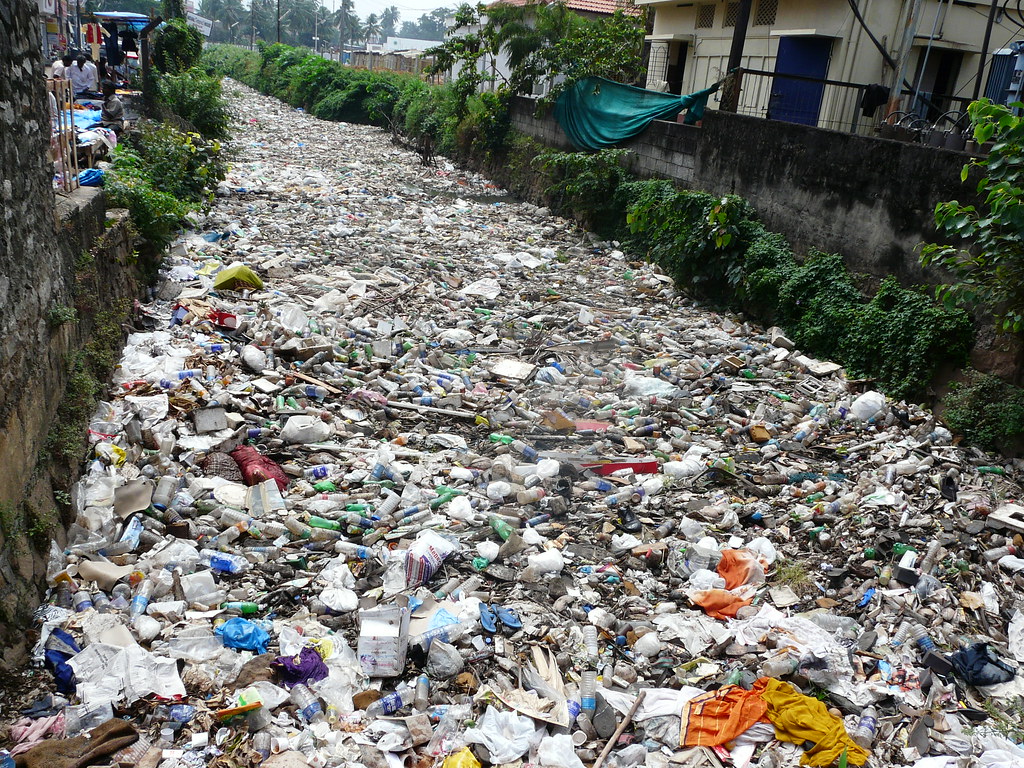
    Giant plastic 'berg blocks Indonesian river

    David Shukman
    Science editor
    19 April 2018


    Like other developing countries, Indonesia is wrestling with an acute plastic waste problem

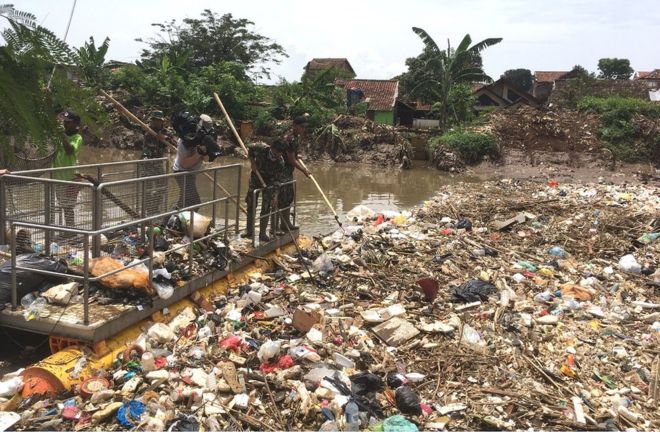
    A crisis of plastic waste in Indonesia has become so acute that the army has been called in to help.
    Rivers and canals are clogged with dense masses of bottles, bags and other plastic packaging.
    Officials say they are engaged in a "battle" against waste that accumulates as quickly as they clear it.
    The commander of a military unit in the city of Bandung described it as "our biggest enemy".

    read more...http://www.bbc.co.uk/news/science-environment-43823883
    Last edited by Cidersomerset; 25th April 2018 at 15:59.

  4. The Following 13 Users Say Thank You to Cidersomerset For This Post:

    christian (27th April 2018), earthdreamer (26th April 2018), Ewan (25th April 2018), ExomatrixTV (8th March 2024), Foxie Loxie (25th April 2018), justntime2learn (3rd May 2018), meeradas (26th April 2018), Michelle Marie (27th April 2018), Nasu (25th April 2018), onawah (25th April 2018), RunningDeer (2nd May 2018), toppy (25th April 2018), william r sanford72 (25th April 2018)

  5. Link to Post #3
    UK Avalon Member Cidersomerset's Avatar
    Join Date
    16th May 2011
    Location
    Bridgwater somerset UK
    Age
    64
    Posts
    22,333
    Thanks
    33,460
    Thanked 79,813 times in 18,702 posts

    Default Re: Arctic research reports record levels of microplastics

    Lionel regularly goes on David Knight Real News for a amusing take on recent news
    items and today waste plastic is brought up with some interesting comments on
    how its grown and how fisherman, tsunami's and some Asian countries over
    dumping in the Pacific , waste from North America and ocean liners add to it.

    Climate Change Conspiracies & Cuomo's Plastic Bag Fetish
    — Lionel on "Real News With David Knight"


    Published on 25 Apr 2018

    ========================================

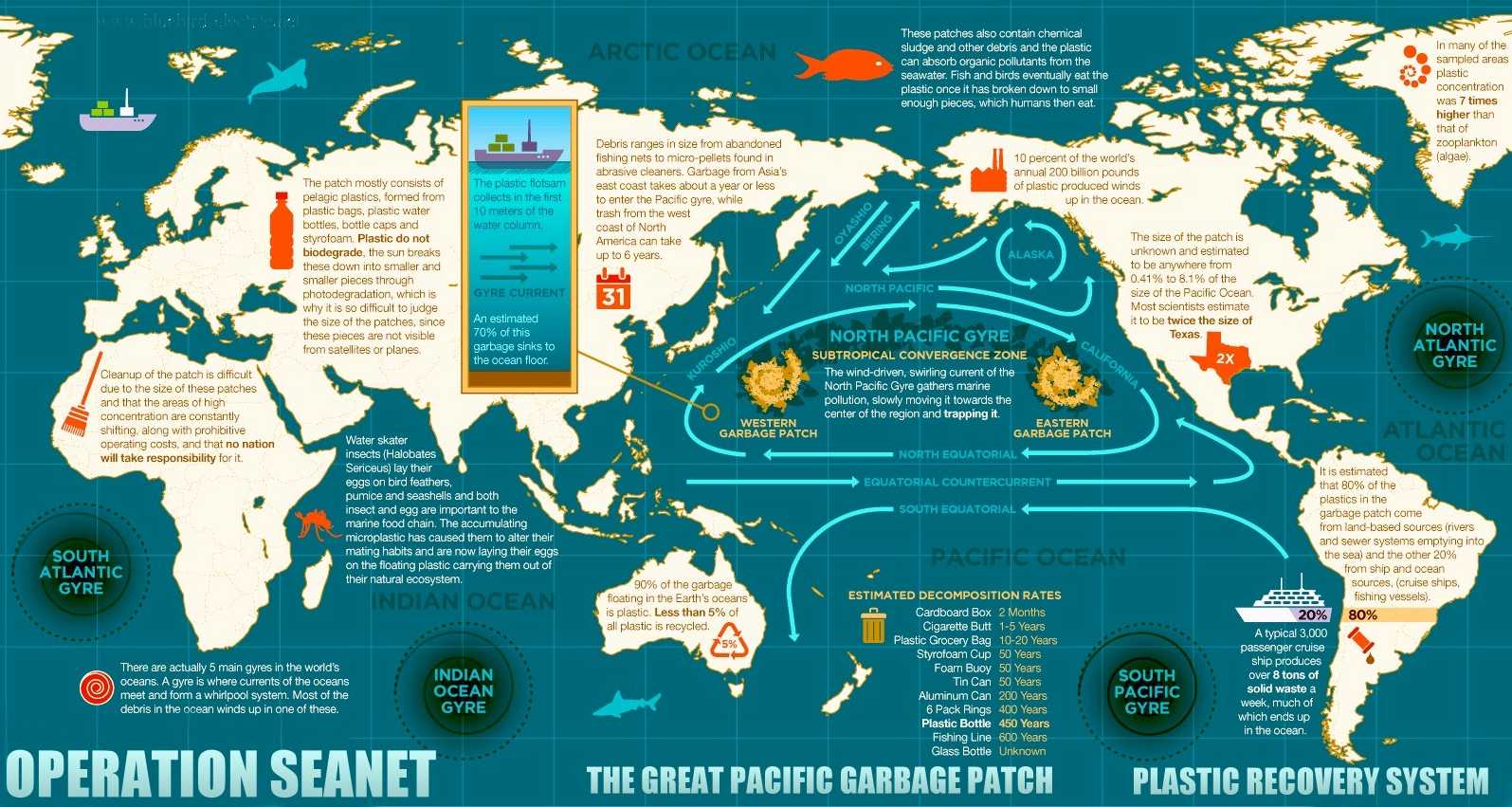
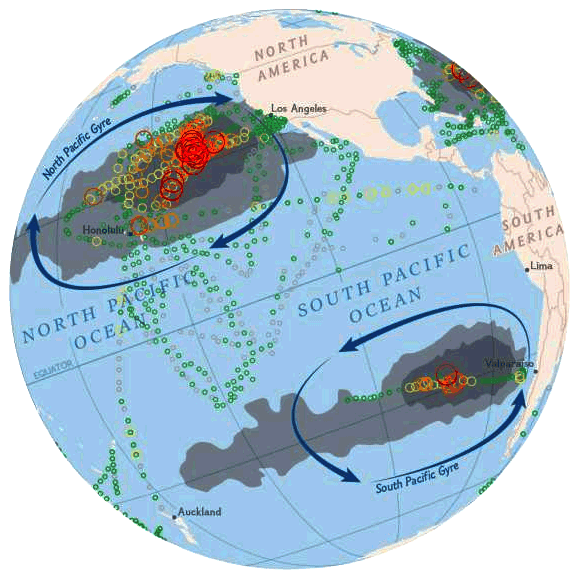
    There are five major gyres areas where currents meet that collect waste in the
    oceans which is probably good news because if world bodies start to focus
    on some sort of collection or bacterial solution at least its already concentrated
    in specific areas.

    Not sure about the micro particles spread around the oceans and Antarctica though ?


    http://www.bluebird-electric.net/oce...ific_ocean.htm

    ===================================================


    What is gyre in geography?

    https://www.quora.com/What-is-gyre-in-geography

    What is a gyre?
    https://oceanservice.noaa.gov/facts/gyre.html
    Last edited by Cidersomerset; 26th April 2018 at 06:22.

  6. The Following 9 Users Say Thank You to Cidersomerset For This Post:

    Alekahn2 (26th April 2018), christian (27th April 2018), earthdreamer (26th April 2018), Ewan (25th April 2018), ExomatrixTV (8th March 2024), Foxie Loxie (25th April 2018), meeradas (26th April 2018), toppy (25th April 2018), william r sanford72 (26th April 2018)

  7. Link to Post #4
    United States Avalon Member earthdreamer's Avatar
    Join Date
    8th January 2015
    Location
    Terrapin Station
    Age
    59
    Posts
    136
    Thanks
    2,845
    Thanked 843 times in 131 posts

    Default Re: Arctic research reports record levels of microplastics

    Plastic pollution is one of my biggest worries for our planet. Recycling can't possibly keep up with such massive output. Manufacturers have profited for decades off cheap plastic. Just like hazardous waste sites needing designated superfund clean-up, we need a global superfund to address and combat this crisis of runaway plastic waste. The modern world must turn to biodegradable production and packaging. I wonder if plastics made of organic compounds like hemp seeds rather than petroleum oil would be less toxic to the environment? An apocalypse of plastic snowstorms blizzarding the planet is a nightmare we don't want to imagine possible.
    Some news report I saw also found plastic micro-particles in our bodies from such mundane sources like fleece clothing.
    We sign so many petitions to corporations and politicians to address this slow-boil horror. The awareness of the problems of plastic pollution seems to be reaching a critical mass where solutions will be forthcoming. If only life were more valuable than monetary profit. (sigh)

  8. The Following 7 Users Say Thank You to earthdreamer For This Post:

    Chris Gilbert (2nd May 2018), Cidersomerset (26th April 2018), Ewan (26th April 2018), ExomatrixTV (8th March 2024), Foxie Loxie (26th April 2018), meeradas (26th April 2018), william r sanford72 (26th April 2018)

  9. Link to Post #5
    Scotland Avalon Member Ewan's Avatar
    Join Date
    24th February 2015
    Location
    Ireland
    Age
    63
    Posts
    2,610
    Thanks
    76,348
    Thanked 21,020 times in 2,564 posts

    Default Re: Arctic research reports record levels of microplastics

    Which reminds me of this story from August last year.

    Ocean plastic cleanup: A 23-year-old’s mission to take rubbish out of our seas.


    In 1998 Charles Moore, an oceanographer, was sailing across the North Pacific when he made an unwelcome discovery.
    “As I gazed from the deck at the surface of what ought to have been a pristine ocean, I was confronted, as far as the eye could see, with the sight of plastic,” Moore wrote in Natural History magazine.
    It seemed unbelievable but I never found a clear spot. In the week it took to cross the subtropical high, no matter what time of day I looked, plastic debris was floating everywhere – bottles, bottle caps, wrappers, fragments.”

    What he stumbled on became known as the Great Pacific Garbage Patch or “Pacific trash vortex”. It is thought to be anywhere between the size of Texas (270,000 sq miles) to several times that size.
    The difficulty of measuring such a large area of ocean means exact data is hard to come by but the latest research suggests the vortex has a 386,000 sq mile “heart”, surrounded by a 1.4 million-sq-mile outer periphery of trash. The extent and range of contaminants in the gyre is also little understood but scientists estimate the high-density core now has an alarming one million pieces of plastic per sq km.

    Most of the plastic waste that ends up in the oceans is thought to become part of these “garbage patches” of rubbish, but it’s not a doughnut of clearly visible surface rubbish as has often been envisaged.
    Some of this plastic matter is found hovering at the waterline but most of it is floating in the upper-water column over thousands of sq miles in the Indian, Pacific and Atlantic oceans.

    By some estimates, the ratio of plastic to small animal matter (known as zooplankton) in these gyres is around 6:1 by weight. At the core of the vortex, this can be as high as 48:1. Zooplankton is an important component of the ocean ecosystem, providing nourishment for the smallest fish to the biggest whales, meaning much of the microplastic matter ends up being ingested. Perhaps most alarmingly for people who eat fish on a regular basis, scientists have recently found microplastics in the bodies of fish, not just in their stomachs. Last month, a group of Malaysian and French scientists found 36 pieces of potentially harmful microplastics in a study of 120 mackerel, mullets, anchovies and croakers.

    Described as a “ticking time bomb” by marine scientists, the Great Pacific Garbage Patch is believed to have grown by five times in the past 10 years and will become a greater risk to life as the plastic degrades further.
    It’s a problem that caught the imagination of a then 16-year-old schoolboy from the Netherlands, Boyan Slat. Slat was on holiday in Greece when a diving trip brought him face-to-face with the problem of ocean plastics.
    “I could see more plastic bags than fish on that scuba dive,” he says.
    I had to do a high-school science project that year and I decided to really dedicate myself to this issue. Everybody told me it would be impossible to clean up, the main problem being that the plastic is extremely dispersed... over a wide area.”

    He dropped out of a degree in Aeronautical Engineering in order to pursue the idea, but the initial reception was not positive. Slat contacted 300 companies looking for support but only one replied, telling him it was “a terrible idea”.
    A hugely popular TED Talk saw the teenage Boyan gain worldwide fame, and funding for his designs soon followed, some of it crowd-funded, and some of it from high-profile investors such as PayPal co-founder Peter Thiel and Salesforce chief executive Marc Benioff.
    “Being an outsider and not having worked on this for many years allowed me at least to consider clean-up as an idea that would work. When I started there was this consensus that you could never clean this up, that the problem is way too big, the ocean is way too rough, the issue of bycatch – ‘plastic is too big, plastic is too small’...”

    The key idea that makes Slat’s concept different to other schemes is the principle of “letting the sea do the work” by having ocean currents run into V-shaped screens that filter out small plastics. When the system is fully operational, the plastics can then be loaded onto small vessels and taken back to land for recycling.

    Today the Ocean Clean Up Foundation employs more than 70 people and has around $30m (£23m) in funding. But the task confronting Slat and his team will require a great deal more than this.
    Although it’s hard to gain accurate data, today’s estimates suggest roughly five trillion tonnes of plastics are now floating in our oceans. Seven million tonnes are dumped into the sea each year.
    The Ellen MacArthur Foundation estimates that the volume of plastic waste in our oceans will outweigh the total mass of fish in the sea by 2050.

    The Ocean Cleanup’s trials in the North Sea with a prototype (officially named “Boomy McBoomFace” after the boom that supports the plastic filtering screens), were promising enough for the team to press ahead with a plan to pilot system in the Pacific gyre next year.

    “We suffered some damage but that was the whole point, to find weak spots in the design. We developed a new anchor concept off the back of what we learnt”.
    The “drifting array” will now be held down by large sea anchors, ensuring it moves slower than the surrounding currents.
    “The deeper you go in the ocean, the slower the currents get. At the surface it can move quite rapidly [16-17 centimetres per second] and only a few hundred metres deeper, it’s more like three or four centimetres per second. So it’s a dramatic difference”.
    To exploit this difference, Boyan and his team developed a sea anchor suspended in the water column, consisting of about 100 sq metres of material, enough to slow down the drifting area by 20 per cent.

    Having tested a prototype model of its system in the North Sea last year, Th Ocean Cleanup announced in May that it plans to conduct a trial in the Pacific later this year, and start a full cleanup operation there next spring.
    “We’re starting with the North Pacific gyre simply because it is the largest accumulation of plastic. A third of all ocean plastic can be found in that area.”
    “It will still be an experimental system, operating for one year. We’ll gather data and improve the system continuously”.
    The goal then is to move onto the other four ocean gyres and replicate the process, albeit with slightly less rubbish to deal with in each vortex.

    “We expect to be ready for a scale-up in late 2019, so in 2019-2020 we expect to get a fleet of around 50 systems in that one patch, which are able to cleanup around 13 per cent of the patch every year. So that means 50 per cent in five years and we would get to 90 per cent in about 20 years.”

    I ask Slat what has troubled him the most about the situation facing our oceans.

    “Definitely the degradation,” he says. “Plastic doesn’t really go away by itself.”
    The concentration of plastic is rapidly increasing in the gyres. Even if you were to close off the tap, and no more plastic entered the ocean, that plastic would stay there, probably for hundreds of years”.
    Not only a threat to sea life, the degradation of ocean plastics leads to the release of chemicals that are known to be harmful to humans when they enter the food chain. Significant debris can cause damage to shipping, foul up tourist sites and encourage invasive species.

    Much of our older marine waste is now breaking down into more toxic and hard-to-remove substances, and reaching parts of the sea previously thought to be relatively pristine. Even the deepest chasm on the earth’s surface – the Mariana Trench in the western Pacific ocean – has been found to contain “extraordinary” levels of pollution at depths of 10 kilometres below sea level, although not all of this is attributed to plastic waste.
    It is now thought that around four billion plastic microfibres lie on the sea floor.
    “Today 95 per cent of the plastic is large stuff and only five per cent is small dangerous microplastics,” says Slat. “What is going to happen over several decades is that microplastic matter may increase twentyfold, which would be quite a big issue.”
    Among the other solutions to dealing with ocean plastics is the “waste to wear” initiative run by the NGO Healthy Seas. This project reworks the nylon found in abandoned fishing nets into textiles for use in clothing.

    Singer Pharrell Williams and fashion brand G-Star recently collaborated to create a line of clothing called “Raw for the Oceans” which also uses recycled ocean waste.
    Picking up litter off a beach may seem like a peripheral activity, but during the 2015 International Coastal Cleanup, around 800,000 volunteers picked up an estimated 18 million pounds of plastic that would otherwise have ended up in the oceans.
    Boyan Slat has other plans as to how the foundation can help solve this problem.
    “We might work on ways to prevent plastic getting into the ocean in the first place
    We published a study in Nature back in June, showing that 86 per cent of the plastic is coming from Asia, and coming from a relatively small number of rivers in those areas. So, in the future, we could do something there within those river mouths.
    To me that seems like a logical future expansion of what we are doing.”


  10. The Following 8 Users Say Thank You to Ewan For This Post:

    Alekahn2 (26th April 2018), Cidersomerset (26th April 2018), earthdreamer (27th April 2018), ExomatrixTV (8th March 2024), Foxie Loxie (26th April 2018), Hervé (2nd May 2018), meeradas (26th April 2018), william r sanford72 (3rd May 2018)

  11. Link to Post #6
    Scotland Avalon Member Ewan's Avatar
    Join Date
    24th February 2015
    Location
    Ireland
    Age
    63
    Posts
    2,610
    Thanks
    76,348
    Thanked 21,020 times in 2,564 posts

    Default Re: Arctic research reports record levels of microplastics

    As I read that back I recalled all the 'warnings' from (alleged) ET's about how we are destroying the planet.

    If we had a functioning media, (well, it functions now but in a negative kind of way), stories like this should be on the TV all the time until the hue and cry from the general public was so loud things would change at a greatly accelerated pace. I'd bet if I stood on the high street of any town and asked people what they knew about plastics in the oceans, or specifically, the Great Pacific Garbage Patch I would be met with a large majority of negatives.

    With the microplastics (OP) getting into the foodchain we may, frighteningly, be very close to the point of no return already.
    Last edited by Ewan; 26th April 2018 at 16:31.

  12. The Following 7 Users Say Thank You to Ewan For This Post:

    Cidersomerset (26th April 2018), earthdreamer (27th April 2018), ExomatrixTV (8th March 2024), Foxie Loxie (26th April 2018), Hervé (2nd May 2018), meeradas (26th April 2018), william r sanford72 (3rd May 2018)

  13. Link to Post #7
    Scotland Avalon Member Ewan's Avatar
    Join Date
    24th February 2015
    Location
    Ireland
    Age
    63
    Posts
    2,610
    Thanks
    76,348
    Thanked 21,020 times in 2,564 posts

    Default Re: Arctic research reports record levels of microplastics

    Plastic Pollution in the Oceans- Documentary HD


    Recycling Technologies turns problem plastic into fantastic fuel in depots

    https://www.express.co.uk/finance/ci...s-plastic-fuel

  14. The Following 8 Users Say Thank You to Ewan For This Post:

    Alekahn2 (26th April 2018), Cidersomerset (26th April 2018), earthdreamer (27th April 2018), ExomatrixTV (8th March 2024), Foxie Loxie (26th April 2018), Hervé (2nd May 2018), meeradas (26th April 2018), william r sanford72 (3rd May 2018)

  15. Link to Post #8
    Canada Avalon Member DeDukshyn's Avatar
    Join Date
    22nd January 2011
    Location
    From 100 Mile House ;-)
    Language
    English
    Age
    51
    Posts
    9,423
    Thanks
    29,859
    Thanked 45,920 times in 8,573 posts

    Default Re: Arctic research reports record levels of microplastics

    I was just thinking the other day how Big Oil has almost single-handedly destroyed the entire planet. How quickly we forget that plastic is a product of Big Oil, not to mention the pollution in the atmosphere from billions of autos, all the pipeline and tanker spills, the constant destruction of forest (rainforests and otherwise) to access oil, the mess Big Oil leaves behind after abandoning dry wells, The BP oil spill and the like ... all product of the business of big oil, and we generally stand back smile, and fill our cars at prices where we know we are being gouged to death, and do nothing about it.

    I live in Alberta (oil country) and I am never ceased to be amazed at the oil worship here - it is almost not even believable it is so extreme. In fact our province has stopped import of BC (british columbia) wine, and has drafted legislation to allow itself the ability to stop the flow of all oil to BC -- because BC doesn't want to build another pipeline through their province (its a twinning, not a new pipeline). The whole province of Alberta can't seem to pry their lips from around big oils big pipe ... line.
    When you are one step ahead of the crowd, you are a genius.
    Two steps ahead, and you are deemed a crackpot.

  16. The Following 6 Users Say Thank You to DeDukshyn For This Post:

    earthdreamer (27th April 2018), Ewan (27th April 2018), ExomatrixTV (8th March 2024), Foxie Loxie (27th April 2018), RunningDeer (2nd May 2018), william r sanford72 (3rd May 2018)

  17. Link to Post #9
    Scotland Avalon Member Ewan's Avatar
    Join Date
    24th February 2015
    Location
    Ireland
    Age
    63
    Posts
    2,610
    Thanks
    76,348
    Thanked 21,020 times in 2,564 posts

    Default Re: Arctic research reports record levels of microplastics

    Around the World in 80, erm, plastics...


    CHINA


    THAILAND


    INDIA


    Sth AMERICA


    ---------------------------------------------------------

    My nephew is getting married in August, they plan to honeymoon in The Maldives.

    http://cleanbodiesofwater.org/plasti...otos-maldives/

    The Maldives, one of the top honeymoon destinations in the Indian Ocean, is famous for its pristine beaches, beautiful turquoise waters and top class resorts.

    But what many tourists are not aware of is the fact that these dream holiday islands dump around 300 to 400 tonnes of rubbish a day on an artificial island called Thilafushi. This island is situated approximately 7 kilometres from Malé, the capital of the Maldives and is used for the sole purpose of disposing rubbish, such as plastic pollution waste.

    Since 1992 the Maldives have been dumping their trash on Thalifushi, also known as Trash Island, but nowadays the plastic pollution literally extends this island of waste.


  18. The Following 5 Users Say Thank You to Ewan For This Post:

    ExomatrixTV (8th March 2024), Foxie Loxie (2nd May 2018), Hervé (2nd May 2018), RunningDeer (2nd May 2018), william r sanford72 (3rd May 2018)

  19. Link to Post #10
    United States Avalon Member Foxie Loxie's Avatar
    Join Date
    20th September 2015
    Location
    Central NY
    Age
    81
    Posts
    3,077
    Thanks
    67,683
    Thanked 17,684 times in 2,961 posts

    Default Re: Arctic research reports record levels of microplastics

    Good Grief!!!

  20. The Following 3 Users Say Thank You to Foxie Loxie For This Post:

    Ewan (3rd May 2018), ExomatrixTV (8th March 2024), RunningDeer (2nd May 2018)

  21. Link to Post #11
    England Avalon Member John Hilton's Avatar
    Join Date
    14th March 2023
    Location
    Crete, Greece
    Language
    English
    Posts
    649
    Thanks
    1,017
    Thanked 4,853 times in 641 posts

    Default The Effect of Microplastics on Our Health

    Malone's thoughts on this topic are interesting. I've been buying sheep's milk from a local farmer in plastic bottles. I'm going to switch to glass bottles.

    https://rwmalonemd.substack.com/p/we...-microplastics

  22. The Following 14 Users Say Thank You to John Hilton For This Post:

    Agape (28th October 2024), Antagenet (28th October 2024), Bassplayer1 (8th March 2024), Bill Ryan (8th March 2024), Dorjezigzag (8th March 2024), Ewan (8th March 2024), ExomatrixTV (8th March 2024), Harmony (8th March 2024), Ioneo (8th March 2024), Listkov (27th October 2024), palehorse (26th May 2024), Sue (Ayt) (8th March 2024), Sunny-side-up (8th March 2024), Yoda (28th October 2024)

  23. Link to Post #12
    Netherlands Avalon Member ExomatrixTV's Avatar
    Join Date
    23rd September 2011
    Location
    Netherlands
    Language
    English, Dutch, German, Limburgs
    Age
    59
    Posts
    29,486
    Thanks
    43,779
    Thanked 164,885 times in 27,496 posts

    Default Re: The Effect of Microplastics on Our Health

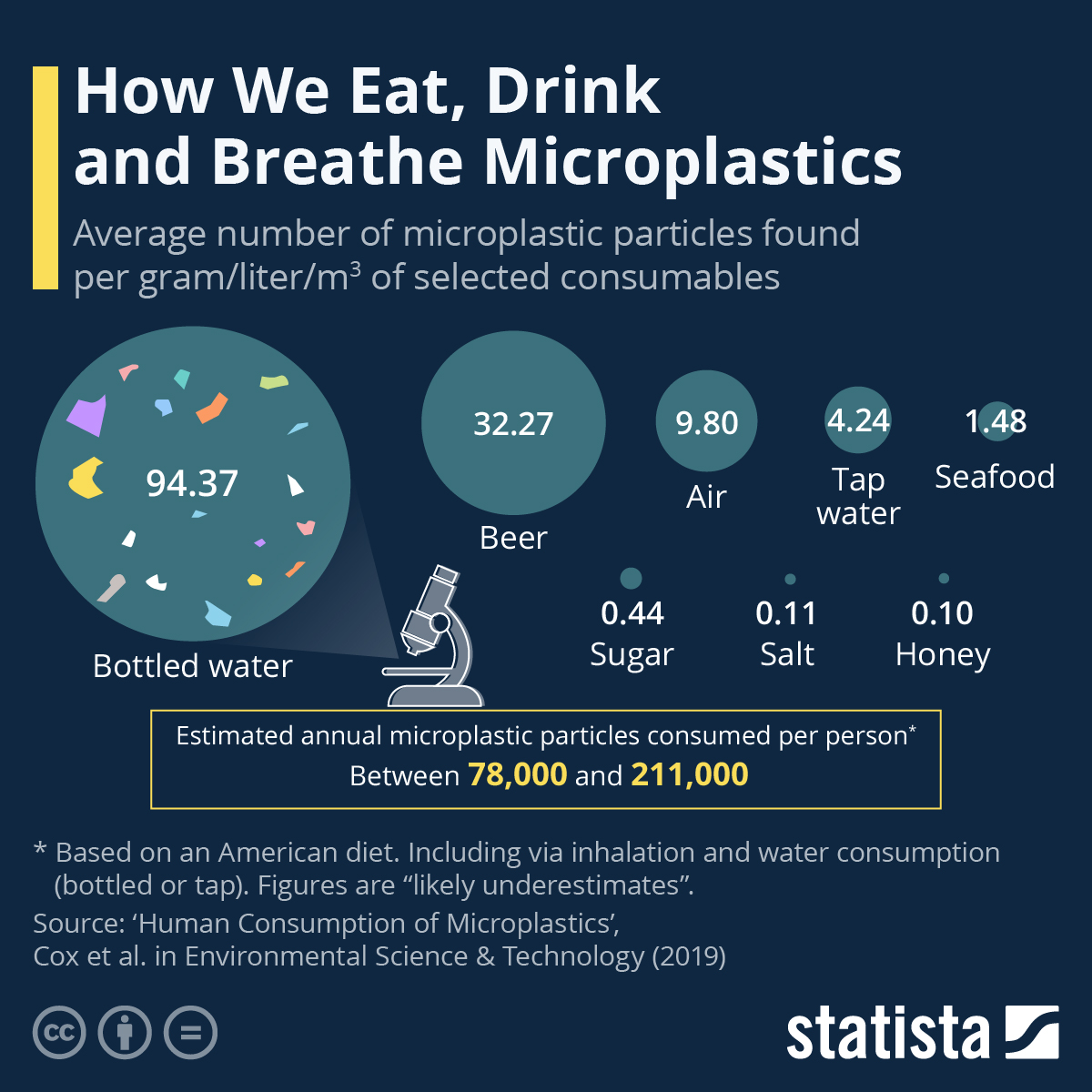
    quote: "Things have gotten much worse since then. Now we really are plastic—or at least, our bodies contain far more plastic than most of us would prefer. Recent studies have found tiny plastic particles deep inside human lungs and blood. A new paper from Columbia University has identified nanoplastics—even smaller than microplastics, which we have been worried about for a while—as particularly prevalent, especially in bottled water. The average American adult may be consuming over 11,000 pieces of microplastic per year, another study calculated this month". unquote

    cheers,
    John 🦜🦋🌳

    This 55 seconds video clip does not need a "summary", all is self-evident:

    Source: https://www.rumble.com/video/v4f40w3/?pub=ir01b
    Last edited by ExomatrixTV; 8th March 2024 at 17:34.
    No need to follow anyone, only consider broadening (y)our horizon of possibilities ...

  24. The Following 16 Users Say Thank You to ExomatrixTV For This Post:

    Agape (28th October 2024), Bassplayer1 (8th March 2024), Bill Ryan (8th March 2024), Dorjezigzag (8th March 2024), East Sun (26th May 2024), Ewan (26th May 2024), Ioneo (8th March 2024), Jamie (9th March 2024), John Hilton (9th March 2024), leavesoftrees (9th March 2024), meat suit (8th March 2024), palehorse (26th May 2024), Sue (Ayt) (8th March 2024), Sunny (8th March 2024), Sunny-side-up (8th March 2024), Yoda (28th October 2024)

  25. Link to Post #13
    Netherlands Avalon Member ExomatrixTV's Avatar
    Join Date
    23rd September 2011
    Location
    Netherlands
    Language
    English, Dutch, German, Limburgs
    Age
    59
    Posts
    29,486
    Thanks
    43,779
    Thanked 164,885 times in 27,496 posts

    Default Re: Arctic research reports record levels of microplastics

    No need to follow anyone, only consider broadening (y)our horizon of possibilities ...

  26. The Following User Says Thank You to ExomatrixTV For This Post:

    Ewan (9th March 2024)

  27. Link to Post #14
    Netherlands Avalon Member ExomatrixTV's Avatar
    Join Date
    23rd September 2011
    Location
    Netherlands
    Language
    English, Dutch, German, Limburgs
    Age
    59
    Posts
    29,486
    Thanks
    43,779
    Thanked 164,885 times in 27,496 posts

    Default Re: The Effect of Microplastics on Our Health

    Last edited by ExomatrixTV; 8th March 2024 at 15:32.
    No need to follow anyone, only consider broadening (y)our horizon of possibilities ...

  28. The Following 15 Users Say Thank You to ExomatrixTV For This Post:

    Antagenet (28th October 2024), Arcturian108 (8th March 2024), Bassplayer1 (8th March 2024), Bill Ryan (8th March 2024), Dorjezigzag (8th March 2024), Ewan (26th May 2024), Harmony (26th May 2024), Ioneo (8th March 2024), Kryztian (27th May 2024), Listkov (27th October 2024), meat suit (26th May 2024), palehorse (26th May 2024), Reinhard (8th March 2024), Sue (Ayt) (8th March 2024), Yoda (28th October 2024)

  29. Link to Post #15
    United States Avalon Member onawah's Avatar
    Join Date
    28th March 2010
    Language
    English
    Posts
    25,089
    Thanks
    53,348
    Thanked 135,614 times in 23,530 posts

    Default Re: The Effect of Microplastics on Our Health

    'We're All Plastic People Now': A Groundbreaking Documentary
    Dr. Mercola
    5/25/24
    https://articles.mercola.com/sites/a...3&rid=30331284

    https://media.mercola.com/ImageServe...people-pdf.pdf

    "STORY AT-A-GLANCE
    The documentary film “We’re All Plastic People Now” delves into how we have become the embodiment of the trash we created. Director Rory Fielding had four generations of his family’s blood tested for plastic-derived chemicals and found alarming results
    Many of the chemicals used to make plastic are endocrine disruptors, which mimic, block or interfere with your natural hormones, causing problems in various physiological functions, such as growth, metabolism and reproduction
    Some endocrine-disrupting chemicals are also considered estrogenic carcinogens, which mimic the effects of estrogen in the body, thus increasing your risk of estrogen-sensitive cancers
    Vote with your pocketbook and get your national and local government involved to catalyze changes in plastic use. More tips below on how to reduce your microplastic exposure are included
    A plastic straw, a bottle of water, a plastic bag from the grocery — these single-use plastics seem so innocuous that people barely give them a second thought before tossing them out.
    Unfortunately, the development of this throwaway culture has contributed to the mounting burden of plastic waste that threatens the environment, wildlife and our very own bodies.

    Discarded plastics are made primarily from petrochemicals1 and degrade into microscopic fragments called microplastics, which lurk everywhere, from the depths of our oceans to the food we eat and the air we breathe. It’s a sobering reality underscored by the Emmy Award-winning documentary featured above, “We’re All Plastic People Now.”

    Plastic Pollution Has Become a Generational Burden
    Produced and directed by Rory Fielding, “We’re All Plastic People Now” delves into how we have become the embodiment of the trash we created. It’s introduced by actor and ocean preservationist Ted Danson and featured at the 2024 Santa Fe Film Festival.2

    While the film briefly illustrates the devastating impacts of microplastics on marine life, particularly sea turtles found with plastic-filled stomachs, it dives deeper into a more disturbing truth — humans are not separate from plastic pollution.

    As David A. Davis, Ph.D., a researcher from the University of Miami who’s featured in the film, aptly puts it, “Water is life, so if the water is polluted and we have sentinel species like dolphins and sea turtles, if they're also sick, we can anticipate that we'll be sick, too.”

    Studies have detected microplastics in human tissues, including the brain,3 lungs,4 kidney, liver5 and heart,6 as well as in human blood7 and stool.8 Even babies are exposed to microplastics starting from their mothers’ placenta to the breast milk they rely on for nourishment.9

    Dr. Antonio Ragusa, the study’s lead researcher on microplastics in the placenta and one of the featured experts in the documentary, bluntly referred to humans as “cyborgs” because our bodies are no longer purely biological but have become part plastic.

    This assertion is further confirmed in the film as Fielding had four generations of his family’s blood tested for plastic-derived chemicals. Their blood samples were submitted to Rolf Halden, Ph.D., an environmental engineer from Arizona State University. According to Halden’s analysis, Fielding and his family carry over 80 different chemicals in their body. He further explains:

    “What we detected in the blood of all these participants are precursors of plastics, plastic constituents themselves, as well as degradation products of consumer plastics. These chemicals are known to be carcinogens, endocrine-disrupting chemicals, obesogens and neurodegenerative agents.”

    Endocrine-Disrupting Chemicals Can Make Your Body ‘Go Awry’
    Many of the chemicals used to make plastic are endocrine disruptors. As microplastics circulate in your body, they carry these chemicals and distribute them to your cells and tissues, where they can pose significant harm to your health. Dr. Leonardo Trasande, a pediatrician and director of the Center for Investigation of Environmental Hazards at New York University, noted in the film:

    “We live in a world where we're still not as aware of endocrine-disrupting chemicals as we should be. We're talking about our natural hormones, our molecules that orchestrate all sorts of signaling of basic bodily functions, maintaining a healthy temperature, good metabolism, salt, sugar and even sex.

    When we're talking about endocrine-disrupting chemicals, we're talking about synthetic chemicals that hack those molecular signals and make things go awry in the human body.”

    Some of the endocrine-disrupting chemicals (EDCs) found in microplastics include bisphenol A (BPA), phthalates and polychlorinated biphenyls (PCBs). By mimicking, blocking or interfering with your natural hormones, EDCs can disrupt the function of your endocrine system, which leads to problems in various physiological functions such as growth, metabolism and reproduction.10

    Some EDCs are also considered estrogenic carcinogens. Also known as xenoestrogens, these chemicals can mimic the effects of estrogen in the body.11 This results in abnormal stimulation of estrogen receptors, which then promotes cell proliferation and potentially contributes to the development and progression of estrogen-sensitive cancers, such as breast cancer12 and endometrial cancer.13

    Another form of EDC found in microplastics is PFAS (per- and poly-fluoroalkyl substances), a group of about 5,000 ubiquitous chemicals in consumer products and used in industrial, electronic, firefighting and medical applications. They’re also known as “forever chemicals,” as they do not degrade naturally, persist in the environment and accumulate in people and wildlife.14

    In the featured documentary, John Hocevar, director of Greenpeace Oceans Campaign, states, “PFAS chemicals can give us cancer ... and they can damage our immune systems. PFAS can also interfere with fetal development, and they can harm our hormonal and reproductive systems.”

    Can Plastics End the Future of Humanity?
    In the documentary, Shanna Swan, Ph.D., a professor from Mount Sinai Hospital, sheds light on her research on phthalates, which she believes is one of the major culprits behind the decline in sperm count in the last 50 years. She purports that exposure to these chemicals causes phthalate syndrome, a condition wherein the male reproductive organs and fertility are affected depending on their mother’s exposure to phthalates while they’re in the womb. She explains:

    “What [phthalates] are doing is they’re lowering testosterone. Initially, male and female have the same genital ridge ... Around early first trimester, there starts to be differentiation of the males and females. All that’s happening very fast in early pregnancy, and that needs testosterone to be there at the right time and the right amount ...

    If the testosterone doesn’t come on board at the right time and there isn’t enough of it ... let’s just say we call those males incompletely masculinized. And in the females, if testosterone gets in there when it shouldn’t or more than should be there, then the female starts producing more male-like genitals.

    So, what you’re seeing is a decreasing of sex differences. So, the male becomes less completely a male, the female less completely a female.”

    Halden further emphasizes the potential implications of the trend of decreasing sperm counts and loss of fertility, cautioning that we could be “playing with the future of humanity.”

    “Essentially, we are allowing chemicals like plastic chemicals into our family planning,” Halden adds. “They [plastic chemicals] decide whether there is life or not. We don’t want to give more voting rights to chemicals as we plan in the future.”

    Dr. Ragusa echoes this sentiment, stating, “Plastic can be the future for big oil companies. But not for us, not for humanity. For humanity, plastic is the end of the future.”

    A Battle for Change in Southern Louisiana’s Cancer Alley
    In an 85-mile stretch of land between New Orleans and Baton Rouge is an area known as “Cancer Alley.” In the area there are over 150 plastic plants and chemical industries. The cancer rates in this area are 50 times higher than the national average.15

    The pervasive presence of estrogenic carcinogens in the surroundings likely contribute to these numbers. Moreover, exposure to plasticizers is also associated with oxidative stress, inflammation and DNA damage,16 all of which are also mechanisms of carcinogenesis.

    Sharon Lavigne, founder of Rise St. James in Louisiana, lives in the middle of Cancer Alley. She shared that their community used to have beautiful trees before 19 petrochemical plants were built to replace them, with 12 of them located near Sharon’s home.

    “I lost my sister-in-law [to] cancer. I lost my neighbor on both sides of me [to] cancer. We had so many people dying, it made me wonder what was going on ...” Sharon says. “I felt like if another industry would come in here, it would be a death sentence for St. James [Parish].”

    Her personal experience spurred her on to fight against further industrial expansion in her community. The documentary features how their group’s efforts successfully prevented the construction of what would’ve been the world’s largest plastic plant in their hometown.

    Profit From Plastic Is Prioritized Over Public Health
    Despite the mounting evidence of the dangers caused by microplastics, the industry is still planning to expand plastic production. According to Christy Leavitt, the plastics campaign director of Oceana, a nonprofit organization dedicated to ocean conservation:

    “We’ve seen, over the last couple of decades, the amount of plastic production has increased rapidly, and so too has all of the plastic pollution ... They’re looking towards a world where not only do we have the current amount of plastic that’s out there, but they want, in fact, triple the amount of that.”

    She also revealed that recycling is no longer going to be enough to address the worsening plastic crisis. Halden elaborates on the economic challenges of recycling plastics, explaining that while the plastic industry’s narrative promotes recycling, it’s actually far more economical for them to produce virgin plastic.

    The production of cheap plastic from fossil fuels is also being incentivized, causing companies to produce new ones instead of recycling. As for the logistic issues, Halden presented data from BeyondPlastics.org:17

    “The things that we carry into recycling centers are only a small fraction of the overall plastic mass that we're using. In past years, only about 9% of plastics actually arrived at recycling centers. Today, it's only 5% of all the plastics that we make and consume.

    But that's not where the bad news ends because when the plastics arrive at the recycling center ... they just put the plastic in a barge and ship it to a country that doesn't have a solid waste disposal system. So, it ends up in the landfill, blows into the ocean and comes right back in our food.”

    Moreover, NPR news correspondent Laura Sullivan, who also appears in the documentary, found internal documents revealing a stark contrast between the oil industry's million-dollar promotion of plastic and recycling and its private doubts about the feasibility and cost-effectiveness of large-scale recycling initiatives.18

    It’s Not Too Late to Address the Plastic Crisis
    Toward the end of the documentary, the featured experts and environmental activists shared a similar sentiment — there is still hope for reducing plastic pollution and safeguarding the health of future generations.

    According to Halden, it’s not the first time humanity has endangered our future with what we thought were innovative industrial advances, yet we’ve come up with solutions to mitigate the dangers before they completely destroy our planet. “Plastics is the next big challenge for us,” he declares positively.

    Hocevar notes that the plastic problem has a very simple solution: We should just stop producing so much of it. One way to achieve this is by voting with your pocketbook. As Dr. Ragusa pointed out in the film, the major producers of plastics right now are big food and beverage manufacturers.

    Refusing to buy their products can urge these companies to take accountability and change their plastic use. It will also go a long way toward reducing your own plastic waste. Leavitt highlighted the importance of getting the state and local government involved as well, “so that they’re actually requiring companies to change the way that single-use plastics are produced and used.”

    Progesterone Can Help Lower Plastic Estrogen Toxicity
    Plastics are xenoestrogens and much of their danger is related to their stimulation of estrogen receptors, so another effective strategy that can help counteract estrogen excess is to take trans mucosal progesterone (not oral or transdermal), which is a natural estrogen antagonist. Progesterone is one of only four hormones I believe many adults can benefit from. (The other three are thyroid hormone T3, DHEA and pregnenolone.)

    I do not recommend transdermal progesterone, as your skin expresses high levels of 5-alpha reductase enzyme, which causes a significant portion of the progesterone you're taking to be irreversibly converted primarily into allopregnanolone and cannot be converted back into progesterone.

    As a general recommendation, I recommend taking 25 to 50 mg of bioidentical progesterone per a day, taken in the evening one hour before bed, as it can also promote sleep. For optimal bioavailability, progesterone needs to be mixed into natural vitamin E. The difference in bioavailability between taking progesterone orally without vitamin E and taking it with vitamin E is 45 minutes versus 48 hours.

    Simply Progesterone by Health Natura is premixed with vitamin E and MCT oil. You can also make your own by dissolving pure USP progesterone powder into one capsule of a high-quality vitamin E, and then rub the mixture on your gums. Fifty milligrams of powdered progesterone is about 1/32 teaspoon.

    Do not use synthetic vitamin E (alpha tocopherol acetate — the acetate indicates that it's synthetic). Natural vitamin E will be labeled "d alpha tocopherol." This is the pure D isomer, which is what your body can use. There are also other vitamin E isomers, and you want the complete spectrum of tocopherols and tocotrienols, specifically the beta, gamma, and delta types, in the effective D isomer. As an example of an ideal vitamin E you can look at the label on our vitamin E in our store. You can use any brand that has a similar label.

    If you are a menstruating woman, you should take the progesterone during the luteal phase or the last half of your cycle which can be determined by starting ten days after the first day of your period and stopping the progesterone when your period starts.

    If you are a male or non-menstruating woman you can take the progesterone every day for 4-6 months and they cycle off for one week. The best time of day to take progesterone is 30 minutes before bed as it is has an anti-cortisol function and will increase GABA levels for a good night's sleep.

    Please note that when progesterone is used transmucosally on your gums as I advise, the FDA believes that somehow converts it into a drug and prohibits any company from advising that on its label. However, please understand that it is perfectly legal for any physician to recommend an off-label indication for a drug.

    In this case progesterone is a natural hormone and not a drug and is very safe even at high doses. This is unlike synthetic progesterone called progestins that are used by drug companies, but frequently, and incorrectly referred to as progesterone, which are dangerous and should never be used by anyone.

    What Else You Can Do to Lower Your Plastic Load
    Plastic has become a huge part of our everyday life, but it doesn’t have to be that way. While it may seem hard to avoid, there are many ways you can reduce your plastic use to help protect the environment and your health. Here are some strategies to get you started:

    Avoid water in plastic bottles — In the documentary, Halden referred to water bottles as a time bomb, as they expose you to microplastics with every sip. If you do need to buy bottled water, choose products in glass bottles, which can be reused as well.

    Filter and boil tap water — With microplastics contaminating our waterways, it’s important to avoid drinking water straight from the tap. Make sure your home has a good water filtration system to filter out these particles. If you have hard tap water in your area, boil it before using it for drinking or cooking, as research shows boiling for five minutes helps remove up to 90% of microplastics in the water.19

    Always opt for reusable alternatives — Avoid single-use plastic items like disposable straws, plastic bags and disposable plastic food and beverage packaging. Instead, choose reusable alternatives that are made from safer materials, such as glass, metal or paper.

    Never microwave food in plastic containers — Heat causes the chemicals in plastic to leach into the food, so use glass or ceramic containers for microwaving.

    Choose clothes made from natural fibers — Choose organic clothing and other textile products, such as those made from cotton, hemp, silk, wool or bamboo. Synthetic fabrics like polyester shed microfibers and xenoestrogens. If you do buy clothes made from synthetic fiber, wash them less frequently and use a microfiber filter in your washing machine to trap synthetic fiber and prevent them from entering the waterways.

    Look for all-natural personal care products — Some makeup, skincare and body care products contain microbeads and plastic particles. Opt for all-natural, food-grade products to avoid risking your health.

    Reduce, reuse and recycle whenever possible — Even though it’s revealed in the documentary that recycling alone may not be enough to tackle our waste problem, you should still do your part in repurposing products whenever you can. This, along with urging companies and politicians to take action, can help mitigate the plastic crisis. Remember that every effort counts."

    + Sources and References
    ************
    "Plastic pollution has become ubiquitous, with plastic particles found in every corner of the globe.
    "It's in the air. It's in the water. It's in the food. It's in all of our bodies," according to Rolf Halden, Ph.D., an environmental engineer from Arizona State University, who appears in "We're All Plastic People Now."
    The documentary reveals the discovery of microplastics in human placentas, as reported by Italian researcher Dr. Antonio Ragusa, who warned,
    "For humanity, plastic is the end of the future." "

    Source: https://www.bitchute.com/video/7NXHcRYdsSB1/
    Each breath a gift...
    _____________

  30. The Following 11 Users Say Thank You to onawah For This Post:

    Antagenet (28th October 2024), Bill Ryan (26th May 2024), East Sun (26th May 2024), Ewan (26th May 2024), ExomatrixTV (27th October 2024), Harmony (26th May 2024), Hym (17th March 2025), Listkov (27th October 2024), Mike (27th October 2024), palehorse (26th May 2024), Yoda (28th October 2024)

  31. Link to Post #16
    United States Avalon Member Listkov's Avatar
    Join Date
    15th August 2021
    Language
    English
    Age
    25
    Posts
    57
    Thanks
    554
    Thanked 560 times in 55 posts

    Default Re: The Effect of Microplastics on Our Health

    Sometimes I prepare a slide of food I get from the grocery store to look under the microscope. Microplastics resemble colored fibers (you don't want to be eating the weird dyes they use either) but they usually wiggle a bit if you poke them with the heated tip of a needle.

    Click image for larger version

Name:	0001.jpg
Views:	37
Size:	153.6 KB
ID:	53964

    illustrative example of one strand-like specimen I found on every grain of rice I looked at.

    The bulk of the plastic mass would probably be contained in the little specs around it. It's ambiguous whether they're plastic or another type of debris, you could burn a quantity of plant matter and sieve out the remaining plastic to weight.

    Not sure what the cumulative load of eating this day in and day out would do to your body

    Ideally you'd be in a situation where you can secure a clean food supply for yourself but the least you can do is peel and wash thoroughly like most traditional cultures do with their harvests. Was reading a discussion where someone expounded on the health benefits of eating carrot skins. That's all very well and good, I thought, if you're not getting your carrots from Wal-Mart.

  32. The Following 11 Users Say Thank You to Listkov For This Post:

    Agape (28th October 2024), Bill Ryan (27th October 2024), Dilettante (17th March 2025), Ewan (27th October 2024), ExomatrixTV (27th October 2024), Harmony (28th October 2024), Hym (17th March 2025), meat suit (27th October 2024), Mike (27th October 2024), Vangelo (28th October 2024), Yoda (28th October 2024)

  33. Link to Post #17
    Avalon Member Antagenet's Avatar
    Join Date
    7th August 2011
    Location
    tax-free
    Posts
    384
    Thanks
    5,904
    Thanked 2,624 times in 369 posts

    Default Re: The Effect of Microplastics on Our Health

    Plasmapheresis removed microplastics from the blood. Brian Johnson the never die advocate just did a video
    talking about how he just got plasmapheresis to clean his blood.
    I had it done a year ago. It was shocking how much contamination came out of me.

  34. The Following 5 Users Say Thank You to Antagenet For This Post:

    Bill Ryan (17th March 2025), Ewan (29th October 2024), Harmony (28th October 2024), Hym (17th March 2025), Yoda (28th October 2024)

  35. Link to Post #18
    UK Avalon Founder Bill Ryan's Avatar
    Join Date
    7th February 2010
    Location
    Ecuador
    Posts
    38,472
    Thanks
    273,172
    Thanked 512,830 times in 37,010 posts

    Default Re: The Effect of Microplastics on Our Health

    A mainstream, but useful article: (from the Washington Post!)
    Five ways to reduce your intake of microplastics: First, stop drinking bottled water

    Microplastics are everywhere. They’re in your liver, blood and even in your brain, and they’re almost impossible to avoid. Fortunately, there are some steps you can take to minimize your exposure.

    “This really is a public health crisis that people are just generally not aware of,” said Sherri Mason, a freshwater and plastic-pollution researcher at Gannon University in Pennsylvania. People can limit their exposure by acknowledging the plastic in their routines and finding ways to reduce usage, she said.

    A new commentary released Tuesday in the journal Brain Medicine identified key ways to cut down on microplastics. Nicholas Fabiano, the article’s lead author, said that given recent studies, “we don’t know a lot of what the downstream consequences of these microplastics are, but we do have emerging evidence that it’s certainly not beneficial.”
    Here are five ways to reduce your exposure in what you eat and drink.

    Drink tap water
    (note from Bill: but always filter it!)


    Drinking bottled water could be introducing you to thousands of microscopic pieces of plastic. In fact, bottled water is the biggest pathway to microplastic exposure, Mason said.

    Researchers have found that an average liter of bottled water contains about 240,000 plastic particles, most of which are nanoplastics, measuring just a fraction of the width of a human hair.

    Switching from bottled water to filtered tap water has the potential to reduce microplastic intake. Microplastics can also be found in tap water, but in smaller amounts.

    Boiling and filtering water can help remove up to 90 percent of plastic particles in drinking water, but experts warn it could also increase the leaching of toxic chemicals into the water.

    “Most people in the United States don’t need to drink bottled water. Tap water is safer and more regulated,” Mason said.

    Avoid plastic food containers

    Using plastic is often unavoidable, but there are many ways to reduce your food’s interaction with plastics, and that includes the plastic storage containers, said Jane Muncke, managing director and chief scientific officer at the Food Packaging Forum, a research organization.

    Experts urge people to replace food that comes in plastic containers with alternatives. That could be as simple as buying peanut butter in a glass container.

    “Anything that’s packaged in plastic — there are microplastics that are shedding off of those materials,” Mason said.

    Canned food and beverage cartons are another plastic contamination pathway for humans. Cans are often lined with plastics that can shed microplastics and leach harmful chemicals.

    Use glass in the microwave
    (note from Bill: never use a microwave)

    One study found that microwaving food in plastic containers and reusable food pouches could release more than 4 million microplastic and 2 billion nanoplastic particles per square centimeter in just three minutes.

    Heat causes microplastics to migrate, Muncke said, so avoid putting hot food into plastic packaging and make sure that it’s not stored in sunlight or other warm environments. Other factors that could increase leaching are acidic products, like orange juice and other fruit juices, and fatty foods, she said.

    Avoid highly processed foods

    Highly processed foods contain significantly more microplastics than minimally processed food. One study found microplastics in all 16 protein products that researchers sampled. Of the products tested, breaded shrimp had the highest concentrations of plastic particles. Highly processed chicken nuggets contained 30 times as many microplastics per gram as chicken breasts.

    “As a rule of thumb, the more processed or ultraprocessed the food is, the more micro-nanoplastics will be issued,” Muncke said.

    Microplastics could also be hiding in your spice cabinet. One 2023 study found large quantities of plastic in salt. The study analyzed seven salts including table salt, sea salt and Himalayan pink salt. Each salt had some measurable amount of microplastics, but coarse Himalayan pink salt and black salt had the highest concentration of microplastic fragments. Iodized salt had the lowest.

    Ditch the plastic tea bags

    Nylon tea bags, which are made out of plastic, can release more than 11 billion microplastic and 3 billion nanoplastic particles in a single bag.

    Brewing loose-leaf tea is one way to avoid the problems associated with plastic tea bags. And tea bags made from cellulose, a biodegradable material, are far safer than plastic and have the added benefit of helping the tea absorb other harmful materials like heavy metals.

  36. The Following 7 Users Say Thank You to Bill Ryan For This Post:

    Arcturian108 (17th March 2025), Ewan (17th March 2025), Harmony (18th March 2025), Hym (17th March 2025), kudzy (17th March 2025), Sue (Ayt) (17th March 2025), Yoda (17th March 2025)

  37. Link to Post #19
    United States Avalon Member onawah's Avatar
    Join Date
    28th March 2010
    Language
    English
    Posts
    25,089
    Thanks
    53,348
    Thanked 135,614 times in 23,530 posts

    Default Microplastics

    Microplastics Trigger Mitochondrial Stress in Human Liver Cells
    by Dr. Joseph Mercola
    August 20, 2025
    https://articles.mercola.com/sites/a...&rid=369071047

    https://media.mercola.com/ImageServe...damage-pdf.pdf

    (Hyperlinks in the article not embedded here)

    Story at-a-glance
    Microplastics from everyday items like water bottles disrupt liver cell function by damaging mitochondria, the energy-producing structures inside your cells
    Even low doses of common plastics triggered oxidative stress, DNA damage, and abnormal cell growth in human liver cells
    The cellular cleanup process, known as autophagy, was activated but failed to complete, leading to a buildup of damaged material and further dysfunction
    Real-world plastic fragments caused more damage than synthetic plastic beads, highlighting how the plastics you encounter daily are especially harmful
    To reduce your exposure, avoid plastic in food storage and cookware, switch to natural fibers, and filter your water; to improve mitochondrial function, eliminate vegetable oils from your diet


    How Microplastics Disrupt Your Liver and Drain Your Cellular Energy
    In a study published in Particle and Fiber Toxicology, researchers looked at how two types of common microplastics — polyethylene (PE) and polyethylene terephthalate (PET) — affect human liver cells over three days.2 These weren’t lab-made beads. They were actual particles extracted from everyday plastic items like water bottles, ground into tiny pieces small enough to slip into cells. The goal was to simulate the kind of plastic exposure you get in real life and see what it does to your body at the cellular level.

    •Instead of dying, liver cells started multiplying too fast — When liver cells came into contact with the plastic particles, they didn’t shut down. They actually started growing faster. That sounds harmless or even good, but it's not. Uncontrolled cell growth is a red flag.

    It’s a sign that the cells are under stress and not functioning normally. This kind of response leads to problems like abnormal tissue growth or even cancer if it continues long term. And this happened at very low doses — levels of microplastic that could easily show up in your daily water or food.

    •The cells showed signs of high oxidative stress — Once the plastic particles got inside the cells, they triggered a spike in reactive oxygen species (ROS). Think of ROS like sparks flying inside your body. Too many sparks damage important parts of your cells, including membranes and DNA. In this study, the liver cells exposed to plastic lit up with warning signs — clear proof that they were in a state of internal inflammation and stress.

    •Their energy production system broke down — Your mitochondria are the tiny power plants in every cell. They create the energy you need to think, move, and function. But in the cells exposed to microplastics, that power system started to fail. The researchers used a dye that shows how strong the mitochondria’s energy output is. The result? A major drop. These cells were struggling to keep the lights on while also trying to handle plastic damage.

    •Even the mitochondria’s DNA got damaged — Mitochondria have their own unique DNA, which helps them run efficiently. In the plastic-exposed liver cells, that DNA started to break down. This was a clear sign that the cell’s most important machinery was falling apart. Without intact mitochondrial DNA, your cells can’t produce energy, repair themselves, or carry out basic functions. It's like trying to run a factory with no power and a broken instruction manual.

    The Cleanup Crew Fails Under Pressure
    Normally, when your cells detect damage, they kick into a process called autophagy. That’s your body’s internal cleanup crew. It finds and breaks down damaged parts so new ones can be made. But in this case, the system jammed. While the cleanup signals turned on, the final step of breaking down the waste didn’t happen. That means the cells filled up with more and more damaged material, making it harder to recover.

    •Blocking the cleanup system made things worse — To test whether the broken cleanup process was helping or hurting, scientists blocked it completely. What happened next was telling: damage markers shot up even higher. That confirmed that autophagy had been activated but wasn’t finishing the job. It’s like starting a dishwasher cycle that never drains. The dirty water just builds up.

    •Microscope images revealed a visual mess inside the cells — Using fluorescent markers, the researchers were able to literally see the damage piling up. Plastic-treated cells glowed more brightly than healthy ones — proof that the cleanup vesicles were building up and not going anywhere. Over time, this internal mess leads to even more stress, malfunction, and loss of control inside the cell.

    •Plastic from real-world sources caused more harm than synthetic beads — Unlike other studies that used perfectly round plastic particles made in labs, this one used irregular fragments from used PET bottles. These pieces were more jagged, oxidized, and chemically reactive, just like the plastic you’re exposed to in bottled water, household dust, and food packaging. That made them even more disruptive once inside the body.

    •Multiple problems hit the cells all at once — The research showed a chain reaction of damage: oxidative stress triggered mitochondrial breakdown, which then led to damaged DNA, energy failure, and a jammed cleanup process. The cell was under attack from every angle, with no time to recover or repair. For an organ like your liver, which is constantly working to detox your body, this kind of stress isn’t sustainable.

    •Everyday plastic exposure has real biological consequences — These weren’t high-dose exposures or exotic chemicals. The plastics used in this study are already in your water, food, and environment. That means your liver is likely dealing with this kind of damage on a regular basis. And as this study shows, even small, repeated exposures are enough to push your cells into dysfunction, inflammation, and long-term breakdown.

    Natural Strategies to Eliminate Microplastics Are Being Explored
    Studies are now looking at strategies to help the human body filter, trap, and eliminate microplastics before they can spread throughout your other systems. These methods offer a multi-angle approach to help reduce your internal plastic load and support overall health. I’ve recently written a paper discussing these methods in detail, and while it is still under peer-review, I’ve provided the key findings below.

    •Cross-linked psyllium could help eliminate microplastics — One key system that plays a role in removing microplastics from your body is your gut. A 2024 study showed that acrylamide cross-linked psyllium (PLP-AM) removed over 92% of common plastic types like polystyrene, polyvinyl chloride (PVC), and polyethylene terephthalate (PET) from water.

    Because of its high swelling ability and sticky, gel-like texture, cross-linked psyllium could be adapted to work inside the gut, where it may trap plastic particles before they’re absorbed into the body. While the study was conducted in a water treatment setting, the results are also promising for human health.3

    •Chitosan, a natural fiber derived from shellfish, also shows promise for clearing microplastics from your body — A recent animal study published in Scientific Reports found that rats given a chitosan-enriched diet were able to eliminate about 115% of the polyethylene microplastics they were fed, compared to just 84% in the control group.

    This suggests that chitosan not only helps bind and eliminate new plastic particles but might even help pull out some that were already absorbed. However, while it's generally considered safe and already used in supplements, people with shellfish allergies are advised to steer clear of it.4

    Psyllium and chitosan work through physical adsorption, where hydrophobic (water-repelling) and electrostatic forces stick microplastic particles to the fiber, keeping them from being absorbed. However, one drawback with these binders is that they can also soak up nutrients if not timed carefully. Hence, they need to be used strategically to provide the most benefit, such as ingesting them with processed or packaged foods, which are more likely to contain plastics.

    •Certain beneficial bacteria strains can help clear microplastics from the gut — A 2025 animal study found that two specific strains, Lacticaseibacillus paracasei DT66 and Lactiplantibacillus plantarum DT88, were able to bind to and eliminate tiny polystyrene particles in lab tests.

    These probiotics work by forming protective biofilms that trap plastic particles, making them easier to flush out.5 When combined with dietary fibers like psyllium and chitosan, the result could be a more effective and natural way to sweep microplastics out of the gut before they’re absorbed.

    •The liver also plays an essential role in clearing microplastics from the bloodstream — Specialized immune cells in the liver, known as Kupffer cells, help trap these foreign particles and route them into bile for elimination via the intestines. However, while this method may work on smaller plastics, larger ones can linger and build up, especially if your liver function is compromised.

    To support this natural detox pathway, researchers are studying the use of compounds like ursodeoxycholic acid (UDCA) and its variant tauroursodeoxycholic acid (TUDCA), which stimulate bile production and improve particle flow out of the liver.

    •Researchers are also looking at strategies to enhance autophagy to eliminate microplastics — Autophagy is your body's natural cellular recycling system. Researchers are looking at compounds that can help promote this system, mainly rapamycin and spermidine.

    Rapamycin works by inhibiting the mTOR pathway, a nutrient-sensing mechanism that normally suppresses autophagy. When mTOR is turned off, cells ramp up their cleanup efforts, forming membranes that can collect and isolate plastic particles for breakdown or removal.

    Meanwhile, spermidine is a naturally occurring polyamine found in foods that enhances cellular resilience and supports the clearance of toxic substances. In lab and animal studies, the combination of spermidine and rapamycin helped reverse mitochondrial dysfunction and reduce oxidative stress caused by microplastics.

    The table below summarizes these novel strategies to eliminate microplastics, including their mechanisms of action, how much testing has been done, and important safety considerations. It shows that although several different approaches may be needed, clearing plastics from your body naturally is possible. Of course, reducing your exposure is still the ideal preliminary course of action.


    How to Protect Your Liver and Mitochondria from Microplastic Damage
    If microplastics are already damaging your liver cells at the cellular level, then waiting for regulators to fix the environment isn’t enough. You need to start removing the source of exposure and strengthening your body’s defenses today. These steps aren’t about detox gimmicks — they’re about restoring the internal energy systems your health depends on. Think of your liver like your body’s daily janitor. If it’s overworked, nothing else stays clean.

    You don’t need to be perfect. You just need to make smart choices consistently. If you drink bottled water daily or cook with plastics, this is especially urgent. These steps are designed to reduce your exposure and restore your mitochondrial function so your cells start working the way they were designed to. Here’s what I recommend you start doing right now:

    1.Stop ingesting microplastics at home by changing how you store, heat, and consume food — Heating plastic, including when microwaving leftovers or leaving bottled water in a hot car, causes microplastics to leach into your food and drink. Toss the plastic storage containers and water bottles.

    Switch to glass, stainless steel, or ceramic for everything you heat, drink from or store food in. If you use a plastic coffee maker, consider upgrading to a glass or stainless steel French press or percolator. This one shift will significantly cut your daily exposure.

    2.Filter your water with a system that removes microplastics and chemical contaminants — Tap water, bottled water, and even many “purified” sources are already testing positive for microplastic particles. Use a high-quality water filtration system that removes particles down to the micron level. Look for a system that also filters out PFAS “forever chemicals” and heavy metals, both of which worsen mitochondrial stress.

    For those renting or traveling, a high-quality countertop filter is still far better than doing nothing. If your water is hard, boiling it before use dramatically reduces microplastics.6

    3.Strengthen your mitochondria by getting rid of vegetable oils — If you want your mitochondria to recover from microplastic damage, stop feeding them toxins. The worst offenders are vegetable oils like canola, soy, corn, sunflower, safflower, and all “vegetable oil” blends.

    These oils are high in linoleic acid (LA), a polyunsaturated fat that breaks your mitochondria and makes your cells more vulnerable to stress. Replace them with tallow, ghee, or grass fed butter. If you’re cooking at home, this one swap alone could cut your LA intake significantly.

    4.Stop wearing and cooking with plastic to lower your exposure across the board — If you’re still using plastic cutting boards, cooking utensils, or wearing synthetic fabrics like polyester, nylon, or acrylic, you’re adding to your microplastic load every day. Those cutting boards shed plastic into your food, and synthetic clothes release fibers into your home and washing machine. Swap plastic boards for wood or glass, and choose stainless steel utensils.

    When it comes to clothes, opt for organic cotton, linen, or wool. For the synthetic pieces you already own, wash them less frequently, line dry when possible, and use a microfiber-catching laundry bag to trap loose fibers. These small steps keep plastic out of your meals, your bloodstream, and the water supply.

    5.Consider natural progesterone to counter the hormonal effects of plastic exposure — Many plastics act like estrogen in your body, disrupting your hormonal balance and making it harder for your cells to function normally. If you’re dealing with symptoms like mood swings, weight gain, or chronic fatigue, you could be dealing with estrogen dominance.

    Natural progesterone helps restore balance. It works as a direct counter to the estrogenic effect of plastics and helps your body regain a healthier hormonal rhythm.

    How to Use Progesterone
    Before you consider using progesterone, it is important to understand that it is not a magic bullet, and that you get the most benefit by implementing a Bioenergetic diet approach that allows you to effectively burn glucose as your primary fuel without backing up electrons in your mitochondria that reduces your energy production. My new book, "Your Guide to Cellular Health: Unlocking the Science of Longevity and Joy," covers this process in great detail.

    Once you have dialed in your diet, an effective strategy that can help counteract estrogen excess is to take transmucosal progesterone (i.e., applied to your gums, not oral or transdermal), which is a natural estrogen antagonist. Progesterone is one of only three hormones I believe many adults can benefit from. (The other two are DHEA and pregnenolone.)

    I do not recommend transdermal progesterone, as your skin expresses high levels of 5-alpha reductase enzyme, which causes a significant portion of the progesterone you're taking to be irreversibly converted primarily into allopregnanolone and cannot be converted back into progesterone.

    Ideal Way to Administer Progesterone

    Please note that when progesterone is used transmucosally on your gums as I advise, the FDA believes that somehow converts it into a drug and prohibits any company from advising that on its label. This is why companies promote their progesterone products as "topical."

    However, please understand that it is perfectly legal for any physician to recommend an off-label indication for a drug to their patient. In this case, progesterone is a natural hormone and not a drug and is very safe even in high doses. This is unlike synthetic progesterone called progestins that are used by drug companies, but frequently, and incorrectly, referred.

    Dr. Ray Peat has done the seminal work in progesterone and probably was the world's greatest expert on progesterone. He wrote his Ph.D. on estrogen in 1982 and spent most of his professional career documenting the need to counteract the dangers of excess estrogen with low-LA diets and transmucosal progesterone supplementation.

    He determined that most solvents do not dissolve progesterone well and discovered that vitamin E is the best solvent to optimally provide progesterone in your tissue. Vitamin E also protects you against damage from LA. You just need to be very careful about which vitamin E you use as most supplemental vitamin E on the market is worse than worthless and will cause you harm not benefit.


    FAQs About Microplastics and Mitochondria
    Q: What did the new study reveal about microplastics and liver health?

    A: The study published in Particle and Fiber Toxicology found that two common microplastics triggered stress responses in human liver cells. These plastics caused oxidative stress, mitochondrial breakdown, DNA damage, and a failed cellular cleanup process called autophagy, even at low doses that mimic real-world exposure.

    Q: Why are mitochondria so important, and how do plastics affect them?

    A: Mitochondria are your cells' power plants. They create the energy needed for your body to function. The study showed that microplastics disrupted mitochondrial energy production and damaged their DNA. This leaves your cells low on energy and unable to repair themselves properly, increasing long-term risk of disease and degeneration.

    Q: Are real-world plastics more dangerous than synthetic lab-made ones?

    A: Yes. The researchers used plastic fragments extracted from used PET water bottles, which are more irregular and chemically reactive than clean lab-made beads. These real-world plastics caused more severe damage, suggesting that the types of plastic you’re actually exposed to in daily life are even more harmful to your cells.

    Q: How does microplastic exposure interfere with my body’s natural detox system?

    A: Your liver relies on a process called autophagy to clear out damaged cell parts. The study found that microplastics triggered this cleanup response but blocked it from completing. Damaged material piled up inside the cells, leading to even more stress and dysfunction over time.

    Q: What are the most effective ways to lower my microplastic exposure?

    A: Start by eliminating heated plastic food containers, using a water filter that removes microplastics, and removing vegetable oils from your diet to protect mitochondria. Wear natural fibers like cotton and wool, and avoid plastic cutting boards and utensils. These daily actions reduce your body burden and support long-term liver and cellular health. "

    - Sources and References
    1, 2 Particle and Fiber Toxicology June 17, 2025, 22:17
    3 ChemistrySelect June 2024, 9(21)
    4 Sci Rep. 2025 Apr 23;15:14041
    5 Front Microbiol. 2025 Jan 10;15:1522794
    6 Environmental Science & Technology Letters February 28, 2024
    Each breath a gift...
    _____________

  38. The Following 11 Users Say Thank You to onawah For This Post:

    Bill Ryan (21st August 2025), drneglector (21st August 2025), Ewan (21st August 2025), ExomatrixTV (21st August 2025), Harmony (21st August 2025), Ioneo (22nd August 2025), Isserley (21st August 2025), Johan (Keyholder) (21st August 2025), onevoice (21st August 2025), Sunny-side-up (9th September 2025), Yoda (21st August 2025)

  39. Link to Post #20
    Netherlands Avalon Member ExomatrixTV's Avatar
    Join Date
    23rd September 2011
    Location
    Netherlands
    Language
    English, Dutch, German, Limburgs
    Age
    59
    Posts
    29,486
    Thanks
    43,779
    Thanked 164,885 times in 27,496 posts
    No need to follow anyone, only consider broadening (y)our horizon of possibilities ...

  40. The Following 6 Users Say Thank You to ExomatrixTV For This Post:

    Bill Ryan (21st August 2025), Ewan (23rd August 2025), Harmony (21st August 2025), Johan (Keyholder) (21st August 2025), onawah (21st August 2025), Yoda (21st August 2025)

+ Reply to Thread
Page 1 of 2 1 2 LastLast

Tags for this Thread

Posting Permissions

  • You may not post new threads
  • You may not post replies
  • You may not post attachments
  • You may not edit your posts