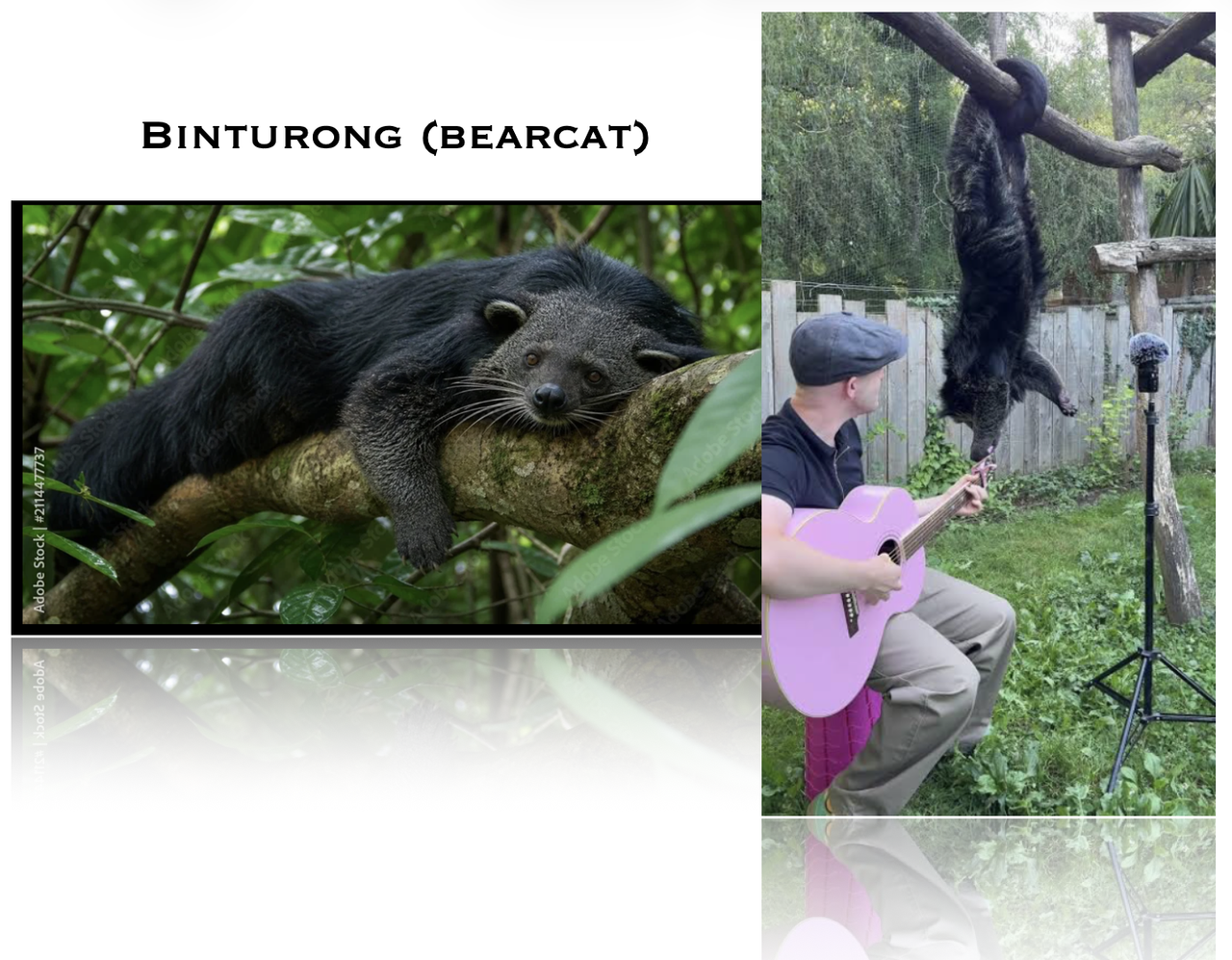
The binturong, also called the bearcat, is a medium-sized mammal native to the forests of South and Southeast Asia. It is famous for smelling strongly of hot buttered popcorn. Despite its common nickname, it is not a bear or a cat.
The Following 7 Users Say Thank You to RunningDeer For This Post:
Bill Ryan (23rd August 2026), Eva2 (1st September 2026), Harmony (24th August 2026), onawah (24th August 2026), rgray222 (24th August 2026), wondering (24th August 2026), Yoda (23rd August 2026)
Perhaps more unsettling than "magical" this legendary creature of nature is an interesting one.
'The Giant Spider of Congo Builds Traps That Catch Deer — And Science Can't Explain How It Breathes
In 1890, an English missionary in Uganda watched two of his companions get killed by spiders. Not normal spiders. Spiders large enough to trap grown men in their webs and overpower them. He escaped. The locals told him the creature had always lived in their forest.
In 1938, British explorers driving through the Belgian Congo stopped their truck for what they thought was a small child crossing the road. It was a spider with a leg reach of four feet.
For generations, the Baka people of the Congo Basin have described the J'ba Fofi — the "great spider" — with the kind of detail that doesn't come from legends. Egg size. Egg color. Juvenile markings. Adult coloration. Web construction. Hunting strategy. Burrow design. Prey species. Venom potency. And the fact that they consider it a delicacy.
Science says a spider this large cannot breathe in our atmosphere. The Baka say they've been living alongside it for longer than anyone can remember. Three hundred million years ago, the Earth's atmosphere supported spiders far larger than this. The oxygen dropped. The giants supposedly vanished.
But the Congo Basin has hidden gorillas, bonobos, and forest peacocks from Western science well into the twentieth century. If a full-sized ape can hide in this forest, what else is still in there?'