
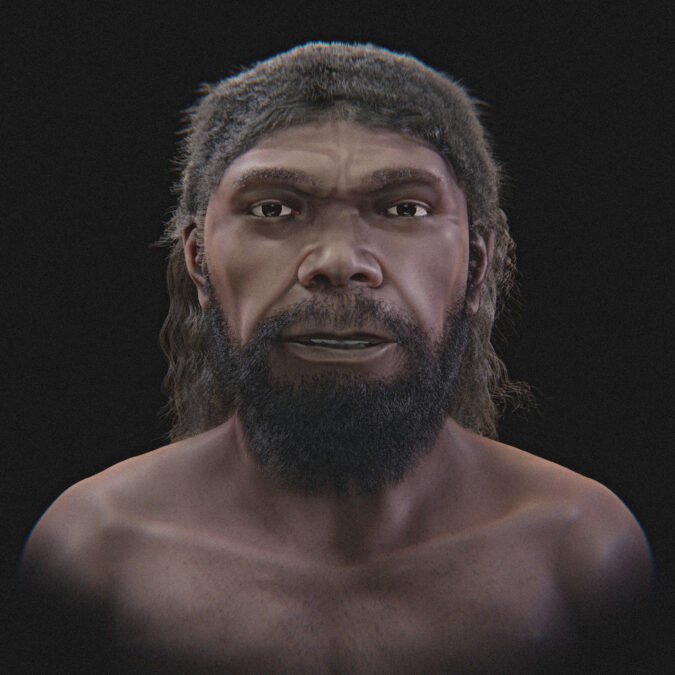
For decades, Neanderthals were dismissed as dim-witted brutes primitive, clumsy, and far inferior to modern humans. But groundbreaking discoveries are rewriting everything we thought we knew.
This documentary reveals the true Neanderthal: an intelligent, emotional, artistic, empathetic human species whose legacy still lives within us today.
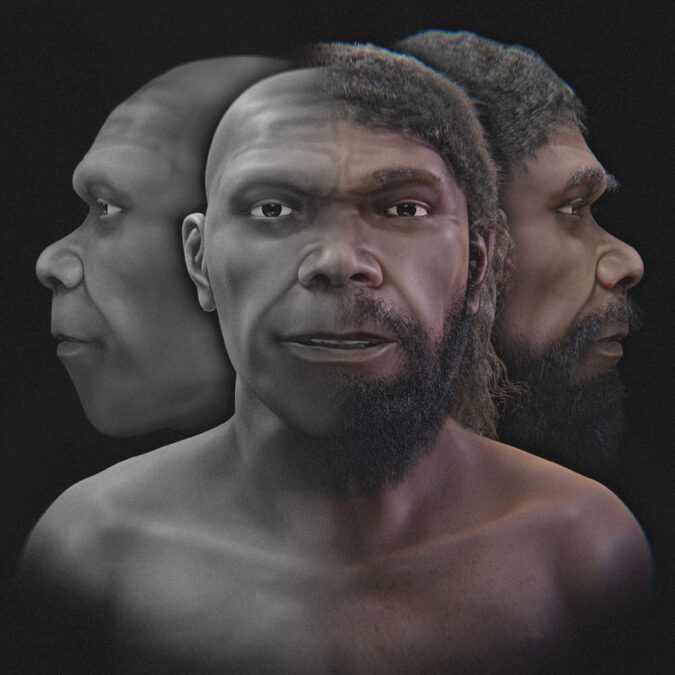
Through stunning archaeological finds, DNA analysis, cutting-edge robotics, and lifelike forensic reconstructions, we explore:
• Footprints, tools, and dwellings showing they lived in organized family clans
• Advanced hunting strategies and long-range spear throwing
• Healthcare and compassion, caring for disabled and ill clan members
• Cave art and symbolic language predating Homo sapiens by 20,000+ years
• Neanderthal DNA in modern humans, influencing immunity, skin, and behavior
• Mini “Neanderthal brains” grown in labs, offering a window into their cognition
• The world’s oldest human-built structure, a stone ring 178,000 years old
From complex homes to antibiotics, from abstract symbols to emotional bonds, the real Neanderthal was far more human and far more remarkable than textbooks ever admitted.
This is the story of our long-lost relatives… and the shared history that still shapes us.


 Human Ancestors

 Reply With Quote



Bookmarks