+ Reply to Thread
Page 24 of 28 FirstFirst 1 14 24 28 LastLast
Results 461 to 480 of 557

Thread: The gut of most disease... NOT what you think!

  1. Link to Post #461
    United States Avalon Member Ahnung-quay's Avatar
    Join Date
    30th June 2013
    Posts
    447
    Thanks
    553
    Thanked 1,674 times in 405 posts

    Default Re: The gut of most disease... NOT what you think!

    I'm reading this post tonight for the first time. At end of January, I stepped on the scale and I was not happy with the readout. I asked myself a question; If you aren't in control of what you're eating, what are you in control of? The next day, I started a "diet" for the promotion of weight loss. I decided on 1000-1200 calories (I'm 56 years old, rather short at 5'4", and work a sedentary job so I don't need a huge amount of calories to maintain weight anymore). I've been doing the "diet" for two weeks now. Basically it is emphasizing fresh fruits and vegetables, nuts, little starch, and one serving of meat. I do almond milk. I have went with some organics on the fruits and vegetables but, not all due to cost. I have lost almost 8# so far.
    In addition to carrying extra weight, I had steadily been having increased joint pain-shoulders, neck, hands, one hip, knees, ankles... I could hardly get out of bed in the morning. After two weeks of eating no sugar or processed foods, I have no pain, not even from the carpel tunnel that I have suffered with for two years!
    I did do about one week of Candex prior to starting the "diet". I believe that the Candex has helped so that I have not craved sugar or anything sweet at all. Candex is a product that kills excess candida Albicans but, doesn't cause other bacteria die off. At this point, I don't even want to go back to eating the way that I was eating because I never want to hurt again!
    I did some research today and found that what I probably have is psoriatic arthritis which is linked to psoriasis. I found that this in turn may be linked to poor gut health and fungus that causes psoriasis on the skin or nails. I plan on adding back some daily tumeric which I had been using for the carpel tunnel. I will also be looking at the fermenting and making some yogurt from goats milk. I used to make yogurt years ago.
    Right now, I can't wait to get my garden going! I only have 4# more to lose to my initial goal weight. Then, I'll decide if I want to lose more. I put the word "diet" in quotation marks because this is my new way of life; not a "diet". Dawn and others, thanks for all that you are sharing here.

  2. The Following 6 Users Say Thank You to Ahnung-quay For This Post:

    conk (21st February 2014), Dawn (13th February 2014), Eram (16th February 2014), genevieve (12th February 2014), onawah (12th February 2014), Swanette (16th February 2014)

  3. Link to Post #462
    United States Avalon Member onawah's Avatar
    Join Date
    28th March 2010
    Language
    English
    Posts
    26,276
    Thanks
    54,869
    Thanked 141,899 times in 24,675 posts

    Default Re: The gut of most disease... NOT what you think!

    I got my Lufenuron in the mail yesterday and have started the 3 day course of treatment. I won't know if it worked for another couple of weeks, but I will post the results here. (See: http://lufenuroncandidacure.owndoc.com/ to learn about Lufenuron, which has been shown to be an effective eliminator of Candida in apes and has lots of testimony from human individuals who have tried it. It breaks down the tough protective chitinous wall that surrounds the Candida fungus, which causes it to die off. The Veterinarian approved product which I bought is quite affordable.

    I'm posting this video link again because most people really have no idea how widespread and damaging the Candida epidemic is, or how it got started.

    The history of how various forms of sugar (as addictive as cocaine) and artificial sweeteners became a big part of the SAD (standard American diet) despite many studies showing how dangerous they are, and how Candida is now a hidden national epidemic, causing obesity, cancer, depression, fatigue and more...


    ( I cannot testify as to the effectiveness of the probiotic product which this video is pushing, but the rest of the vid is definitely worth watching and sharing. )
    Last edited by onawah; 21st February 2014 at 01:53.
    Each breath a gift...
    _____________

  4. The Following 4 Users Say Thank You to onawah For This Post:

    778 neighbour of some guy (16th February 2014), Dawn (20th February 2014), Eram (16th February 2014), Swanette (17th February 2014)

  5. Link to Post #463
    United States Avalon Member Ahnung-quay's Avatar
    Join Date
    30th June 2013
    Posts
    447
    Thanks
    553
    Thanked 1,674 times in 405 posts

    Default Re: The gut of most disease... NOT what you think!

    I've seen that video Onawah and it is worth the watch. Good luck with the Lufenuron!

  6. The Following 3 Users Say Thank You to Ahnung-quay For This Post:

    778 neighbour of some guy (16th February 2014), Dawn (20th February 2014), onawah (16th February 2014)

  7. Link to Post #464
    Avalon Member Flash's Avatar
    Join Date
    26th December 2010
    Location
    Montreal
    Posts
    9,829
    Thanks
    38,375
    Thanked 55,306 times in 9,136 posts

    Default Re: The gut of most disease... NOT what you think!

    Quote Posted by Amzer Zo (here)
    Quote Posted by enfoldedblue (here)
    [...]

    I just came across this experiment by Dr. Emoto that I think brings up another interesting dimension of this discussion:

    Quote The rice experiment is another famous Emoto demonstration of the power of negative thinking (and conversely, the power of positive thinking.) Dr Emoto placed portions of cooked rice into two containers. On one container he wrote “thank you” and on the other “you fool”. He then instructed school children to say the labels on the jars out loud everyday when they passed them by. After 30 days, the rice in the container with positive thoughts had barely changed, while the other was moldy and rotten.
    http://themindunleashed.org/2014/01/...around-us.html
    Thanks for the reminder!

    The crux of the matter: Programming!

    How many generations have gone through that one: "Don't put that in your mouth! Don't even touch it! It's poo-poo/caca/etc..." Even worse for North American where the two archenemies were "commies" and... microbes... everywhere and "out to get you"... made a fortune to chemical companies providing cleaning product companies with weapons to fight the war for "cleanliness" against those bugs...

    The two arch enemies in America: Commies and microbes. You had me Rolling down laughing.

    In one sentence you have described America's compulsivity lol

  8. The Following 2 Users Say Thank You to Flash For This Post:

    Dawn (20th February 2014), Hervé (16th February 2014)

  9. Link to Post #465
    Avalon Member Flash's Avatar
    Join Date
    26th December 2010
    Location
    Montreal
    Posts
    9,829
    Thanks
    38,375
    Thanked 55,306 times in 9,136 posts

    Default Re: The gut of most disease... NOT what you think!

    Onawah, i started the same Lufeneron this week end, i will keep track of results here. I also knew my daughter did have candida (tested long ago) so I put her on it too.

    Next is a real change in diet.

  10. The Following 3 Users Say Thank You to Flash For This Post:

    Dawn (20th February 2014), Eram (16th February 2014), onawah (17th February 2014)

  11. Link to Post #466
    United States Avalon Member onawah's Avatar
    Join Date
    28th March 2010
    Language
    English
    Posts
    26,276
    Thanks
    54,869
    Thanked 141,899 times in 24,675 posts

    Default Re: The gut of most disease... NOT what you think!

    That's great! We can compare notes.
    I'm hoping for a dramatic die-off of Candida, so that eliminating sweets won't be so hard.
    I do believe sweets are just as hard to give up as cocaine, and I've had this addiction for far too long.
    Even though I limit myself to fresh fruit, raw unfiltered honey and raw coconut crystals, I still crash and get the "sugar blues" at times, and I know I could be feeling so much better.
    I was a smoker once and gave that up by juicing lots of raw fruits and vegies every day, but I think the real tipping point was a self-hypnosis tape.
    If the Lufeneron doesn't work, I think I will try that for my sweet tooth as well.
    And I need to get back to more sprouted foods.
    I'm sure results vary with individuals with the Lufeneron, but the literature rang true for me, so I am hopeful.
    Good luck!
    Each breath a gift...
    _____________

  12. The Following 2 Users Say Thank You to onawah For This Post:

    conk (21st February 2014), Dawn (20th February 2014)

  13. Link to Post #467
    France Honored, Retired Member. Hervé passed on 13 November 2024.
    Join Date
    7th March 2011
    Location
    Brittany
    Posts
    16,763
    Thanks
    60,315
    Thanked 96,087 times in 15,483 posts

    Default Re: The gut of most disease... NOT what you think!

    Roundup linked to global boom in Celiac Disease and Gluten Intolerance
    Sustainable Pulse Tue, 18 Feb 2014 21:28 CST


    Celiac disease, gluten intolerance and irritable bowel syndrome are on the rise worldwide, and that rise has taken place in parallel with the increased use of glyphosate (Roundup) herbicide, shows a new US peer-reviewed paper from Dr. Anthony Samsel and Dr. Stephanie Seneff. The review has been published in the Journal of Interdisciplinary Toxicology.

    Roundup is linked in Samsel and Seneff's new review paper to a major increase in celiac disease. A recent estimate suggests that one in twenty people in North America and Western Europe now suffer from this gluten intolerant disease.

    "All of the known biological effects of glyphosate - cytochrome P450 inhibition, disruption of synthesis of aromatic amino acids, chelation of transition metals, and antibacterial action - contribute to the pathology of celiac disease," Samsel and Seneff's paper states.

    Monsanto's Glyphosate (Roundup) has become the number one selling herbicide worldwide, due to the increase in the planting of Roundup Ready GM Crops.

    What is Celiac Disease?

    Celiac disease is a digestive disease that damages the small intestine and interferes with absorption of nutrients from food. People who have celiac disease cannot tolerate gluten, a protein in wheat, rye, and barley. Gluten is found mainly in foods but may also be found in everyday products such as medicines, vitamins, and lip balms.

    When people with celiac disease eat foods or use products containing gluten, their immune system responds by damaging or destroying villi - the tiny, fingerlike protrusions lining the small intestine. Villi normally allow nutrients from food to be absorbed through the walls of the small intestine into the bloodstream. Without healthy villi, a person becomes malnourished, no matter how much food one eats.

    Find Full Review Paper Here [PDF file]

    Journal of Interdisciplinary Toxicology Review Abstract:

    Authors: Dr. Anthony Samsel and Dr. Stephanie Seneff
    Celiac disease, and, more generally, gluten intolerance, is a growing problem worldwide, but especially in North America and Europe, where an estimated 5% of the population now suffers from it. Symptoms include nausea, diarrhea, skin rashes, macrocytic anemia and depression. It is a multifactorial disease associated with numerous nutritional deficiencies as well as reproductive issues and increased risk to thyroid disease, kidney failure and cancer. Here, we propose that glyphosate, the active ingredient in the herbicide, Roundup®, is the most important causal factor in this epidemic. Fish exposed to glyphosate develop digestive problems that are reminiscent of celiac disease. Celiac disease is associated with imbalances in gut bacteria that can be fully explained by the known effects of glyphosate on gut bacteria. Characteristics of celiac disease point to impairment in many cytochrome P450 enzymes, which are involved with detoxifying environmental toxins, activating vitamin D3, catabolizing vitamin A, and maintaining bile acid production and sulfate supplies to the gut. Glyphosate is known to inhibit cytochrome P450 enzymes. Deficiencies in iron, cobalt, molybdenum, copper and other rare metals associated with celiac disease can be attributed to glyphosate's strong ability to chelate these elements. Deficiencies in tryptophan, tyrosine, methionine and selenomethionine associated with celiac disease match glyphosate's known depletion of these amino acids. Celiac disease patients have an increased risk to non-Hodgkin's lymphoma, which has also been implicated in glyphosate exposure. Reproductive issues associated with celiac disease, such as infertility, miscarriages, and birth defects, can also be explained by glyphosate. Glyphosate residues in wheat and other crops are likely increasing recently due to the growing practice of crop desiccation just prior to the harvest. We argue that the practice of "ripening" sugar cane with glyphosate may explain the recent surge in kidney failure among agricultural workers in Central America. We conclude with a plea to governments to reconsider policies regarding the safety of glyphosate residues in foods.
    SOTT.net Comment: Add this latest research to the list of negative health effects associated with RoundUp:

    Death by Multiple Poisoning, Glyphosate and Roundup
    Is Monsanto's Herbicide Harming Male Fertility?
    Research: Roundup Diluted by 450-Fold is Still Toxic to DNA
    Groundbreaking Study Shows Roundup Link to Birth Defects
    Monsanto's Roundup is Causing DNA and Cellular Damage
    Monsanto™ Roundup Ready Crops Leading to Mental Illness, Obesity
    Monsanto's Infertility-Linked Roundup Found in All Urine Samples Tested
    Study shows: Lethality of Roundup 'weedkiller' extends beyond plants to humans
    Monsanto's Roundup devastating gut health, contributing to overgrowth of deadly bacteria

  14. The Following 7 Users Say Thank You to Hervé For This Post:

    chocolate (21st February 2014), conk (21st February 2014), Dawn (20th February 2014), enfoldedblue (25th February 2014), Flash (19th April 2014), onawah (21st February 2014), spiritwind (13th March 2014)

  15. Link to Post #468
    United States Avalon Member Ahnung-quay's Avatar
    Join Date
    30th June 2013
    Posts
    447
    Thanks
    553
    Thanked 1,674 times in 405 posts

    Default Re: The gut of most disease... NOT what you think!

    Your post doesn't surprise me Amzer Zo. I've always felt that a big source of the growing food allergy epidemic has been herbicides and pesticides. It was only recently that I found the link between gluten intolerance and candida overgrowth and them.

  16. The Following 4 Users Say Thank You to Ahnung-quay For This Post:

    Dawn (20th February 2014), Flash (19th April 2014), Hervé (21st February 2014), onawah (21st February 2014)

  17. Link to Post #469
    United States On Sabbatical
    Join Date
    30th June 2011
    Location
    The Seat of Corruption
    Age
    46
    Posts
    9,177
    Thanks
    25,610
    Thanked 53,751 times in 8,696 posts

    Default Re: The gut of most disease... NOT what you think!

    Quote Psychobiotics: Can Stomach Bacteria Change Your Brain?

    The plot keeps thickening when it comes to the connection between your gut and your brain.

    A new review article links probiotics to changes in mood and mental health, suggesting these “good” bacteria might have potential as a treatment for depression and other psychiatric maladies. In the study, published in the journal Biological Psychiatry, researchers define the term “psychobiotic” as “a live organism that, when ingested in adequate amounts, produces a health benefit in patients suffering from psychiatric illness.”
    These organisms act on what researchers call the “brain-gut axis,” a biological network connecting the intestinal and endocrine systems to the spinal cord and regions in the brain that process stress, such as the HPA-axis.

    Is all this plausible? Perhaps. Ghrelin, known as the “hunger hormone” and produced in the intestines, was recently found to play a role in the development of chronic stress. And stress in turn has been found to alter our microbiota. There’s growing evidence that there’s a special connection between the gut and the brain, and as one MGH psychiatrist said recently: “There is a neural feedback from the gut to the brain so chronic gastrointestinal distress can exacerbate anxiety or depression.”

    Thomas Insel, Director of the National Institute of Mental Health, stated last December that how “differences in our microbial world influence the development of brain and behavior will be one of the great frontiers of clinical neuroscience in the next decade.”

    Dr. Timothy Dinan of University College Cork in Ireland and the psychobiotic study’s lead author says that although the research conducted on humans is sparse, “the animal studies indicate that certain psychobiotics can change brain chemistry.”

    In the review, a few of these psychobiotics and their effects on neurotransmitter production are listed:


    Escherichia, Bacillus, and Saccharomyces produce norepinephrine. Candida, Streptococcus, Escherichia, and Enterococcus produce serotonin, while Bacillus and Serratia have the potential to produce dopamine.

    As far as human studies are concerned, “if we find significant changes in the microbiota in conditions such as depression or schizophrenia, then normalizing the microbiota with psychobiotics may alleviate symptoms,” Dinan says. Placebo-controlled studies are up-and-coming in the U.S. and Europe, he adds, and if all goes well, “a product should be available within 5 years” for the “treatment of stress related disorders such as anxiety, depression, and irritable bowel syndrome.”
    http://commonhealth.wbur.org/2013/11...nge-your-brain
    Hard times create strong men, Strong men create good times, Good times create weak men, Weak men create hard times.
    Where are you?

  18. The Following 5 Users Say Thank You to TargeT For This Post:

    Dawn (27th February 2014), enfoldedblue (25th February 2014), Hervé (26th February 2014), onawah (25th February 2014), The Alley Cat (25th February 2014)

  19. Link to Post #470
    Avalon Member enfoldedblue's Avatar
    Join Date
    29th December 2010
    Posts
    1,042
    Thanks
    3,710
    Thanked 9,150 times in 1,005 posts

    Default Re: The gut of most disease... NOT what you think!

    Hi,

    A couple of weeks ago I went to an amazing workshop up in a remote location tucked away in the hills at a little community produce market. It was a fermenting workshop and the main speaker was Sandor KAtz (fermenting guru ). The human spirit there was vibrant and organic and felt very real and down to earth. The event was organized by a friend of Sandor KAtz, so unlike his workshops in the city that cost $500 this one was free. Many people shared their stories, their recipes and their wares. We tried fermented cakes and dishes that came from recipes that were handed down many generations. Tom my partner brought many of his beautiful delicacies, including his fermented ketchup...yum! One of the guys who spoke specialised in garden (non edible) ferments and it was fascinating to hear about the communities of bacteria that when healthy and in balance make our gardens thrive. It is fascinating how we are becoming aware of just how important healthy communities are on ALL levels!

  20. The Following 10 Users Say Thank You to enfoldedblue For This Post:

    conk (3rd March 2014), Dawn (27th February 2014), Eram (25th February 2014), Flash (19th April 2014), Hervé (26th February 2014), kirolak (26th February 2014), leavesoftrees (26th February 2014), onawah (25th February 2014), spiritwind (13th March 2014), wegge (26th February 2014)

  21. Link to Post #471
    United States Avalon Member onawah's Avatar
    Join Date
    28th March 2010
    Language
    English
    Posts
    26,276
    Thanks
    54,869
    Thanked 141,899 times in 24,675 posts

    Default Re: The gut of most disease... NOT what you think!

    So I tried the 3 day treatment with lufenuron which I purchased here: http://shop.owndoc.com/product-info....on-pid170.html
    and I do think it helped.
    I experienced some die-off symptoms, but on the whole, I think my focus and energy levels improved.
    I want to try the enzyme combination of cellulase and protease that is recommended in this product: http://www.enzymedica.com/store/Candidase
    I've always felt a marked improvement when taking enzymes, and I'd rather stick with more natural things.
    I'm not really sure exactly what Lufenuron is made of, but the action of the enzyme combination is apparently the same as the lufenuron, which is to break down the protective chitinous wall that surrounds Candida, and that is what makes it so hard to kill.
    Each breath a gift...
    _____________

  22. The Following 4 Users Say Thank You to onawah For This Post:

    conk (3rd March 2014), Dawn (14th March 2014), enfoldedblue (2nd March 2014), spiritwind (13th March 2014)

  23. Link to Post #472
    France Honored, Retired Member. Hervé passed on 13 November 2024.
    Join Date
    7th March 2011
    Location
    Brittany
    Posts
    16,763
    Thanks
    60,315
    Thanked 96,087 times in 15,483 posts

    Default Re: The gut of most disease... NOT what you think!

    More from Dr. Seneff:

    Meet the controversial MIT scientist who claims she discovered a cause of gluten intolerance

    Ari LeVaux
    Alternet
    Thu, 27 Feb 2014 17:07 CST


    Does she finally have the answer?

    Stephanie Seneff is a senior research scientist at MIT. Based in the university's Computer Science and Artificial Intelligence Laboratory, Seneff's focus is, according to her web page, "the intersection of biology and computation." She is also, according to many in the science community, a "quack," meaning a poseur at the business of science, and a practitioner of pseudoscience.

    Since she began publishing papers on biology, in journals considered fringe by the mainstream scientific establishment, Seneff has posited explanations for a host of disorders, and drawn heated objections from experts in most every field she's delved into. She is, in short, a controversial figure in the scientific community, which is an unusual position to occupy for someone with three degrees from MIT.

    In recent months, Seneff co-authored two papers proposing a connection between the herbicide glyphosate and gluten sensitivity. I spoke with Seneff by phone about this hypothesis, her transition from computer science into biology, and her reputation in the scientific community.

    Ari LeVaux: How is it that, in your opinion, glyphosate causes gluten sensitivity?

    Stephanie Seneff: What we argued in the paper is that glyphosate binds to the gluten. Gluten usually forms cross-mesh connections between different amino acids, and glyphosate would disrupt that because it would prevent the cross-mesh by binding to the gluten and causing the gluten to stay in the form that is known to be more allergenic. So we believe glyphosate causes the gluten to assume the form that is more allergenic.

    ALV: You think this applies to both Celiac disease and gluten sensitivity?

    SS: Gluten sensitivity by itself doesn't necessarily have the transglutaminase immunogenicity of Celiac. It shares the same features with Celiac disease, but it's not as extreme. But these things also have a host of other pathologies that are associated with this particular condition of gluten sensitivity, which is what's so fascinating to me. All of these risk factors that co-occur with Celiac disease could be explained through other ways that glyphosate disrupts physiology. That's the most fascinating thing to me, is that you can explain all of these other things, maybe not directly through the effect of gluten but through the effect of glyphosate on the body.

    People who have Celiac disease have increased risk for other things; for example, non-hodgkins lymphoma, and they die earlier because of these other risks. They also have fertility problems, they are more likely to produce children with birth defects, and are more likely to have depression and serotonin problems. All of these things that are connected to Celiac disease, but also exist independently from Celiac disease, are also caused, in our opinion, by glyphosate.

    ALV: Your paper discusses the reason that glyphosate is being sprayed onto wheat. Could you explain this practice?

    SS: Glyphosate is being sprayed on wheat right before the harvest. This has become a more and more popular practice among farmers. We found specific data in the UK showing a dramatic increase in the practice of spraying the wheat with glyphosate right before the harvest. This is three or four days before they harvest the seed. You can't imagine that that glyphosate has disappeared in those three or four days. The intent is to kill the plant.

    Wheat, of course, is not GMO, it's not Round-Up ready. They probably don't want it to be Round-Up ready because then they couldn't do this anymore. This is a very convenient practice. It reduces the effort involved in the combine when you're harvesting the wheat.

    ALV: If glyphosate were causing these problems, wouldn't we expect to see higher incidence of these diseases that are supposedly caused by glyphosate?

    SS: One thing we certainly see in Sri Lanka and in El Salvador is agriculture workers who are working in sugarcane fields that are sprayed with glyphosate right before the harvest just as wheat is: these workers are dying at a young age from kidney failure. And people with Celiac disease are at a high risk of kidney failure. And we can see how glyphosate would kill the kidney, because you get into an overgrowth of pathogenic bacteria that produces p-cresol, which is very toxic to the kidney.

    And that's just one example of how glyphosate would cause kidney problems. Sri Lanka and El Salvador have both within the last year decided to ban glyphosate usage on their farms because of what they've seen happening to these agricultural workers.

    ALV: You began your career at MIT in artificial intelligence. How and why did you transition to biology and toxicology?

    SS: I'm a computer scientist. I do natural language processing. I've done that for many years, we've built dialog systems that allow people to interact with information on the web through natural language, and I've transitioned to applications in biology over the past six or seven years. I've published now over a dozen papers in that space. Part of what we do is analyzing drug side-effects and then providing an interface that can allow people to find out if other people have experienced similar symptoms in responding to certain drugs that they're taking.

    Recently what I've gotten really interested in is processing the literature. So if you take the research literature on some topic, for example glyphosate, you can let the computer use NLP [Natural Language Processing] to help you organize the information that's in the articles, and help you figure out the story. I think it's a very powerful method for helping a biologist understand the biology, biochemistry and medical literature, and interpret it.

    ALV: Does MIT support you in your biology research?

    SS: I have been gradually transitioning more and more toward doing biology. So far MIT has been supportive and has continued to fund this work.

    ALV: Do you have a biology lab?

    SS: No. It's all computer science. It's all synthesis. So basically what I do is I read papers and I process them with the computer to help me understand them and interpret them and generalize and build a story. So it's really a matter of studying. Mostly what I do now is study, and then write. Trying to understand biology. I have an undergraduate degree from MIT in biology, and I also spent one year in graduate school in biology before switching over to computer science. And my PhD was on an auditory model for the human processing of speech. So that also involved biology, neurology. I'm not a complete ignoramus in the field of biology.

    ALV: If you had a lab, what experimental research would you do to test your theory on glyphosate and Celiac disease?

    SS: Take people with Celiac disease and put them on an organic diet. Or take people with inflammatory bowel disease, because that's sort of related - in fact, a paper was just published where they put people with inflammatory bowel disease on an organic wheat diet. This wheat was an ancient heirloom wheat.

    The theory in this paper is that it's the new forms of wheat that are causing inflammatory bowel disease, because the wheat itself has evolved. We've been genetically modifying wheat, through the traditional evolutionary process that we've used in the past. Not the GMO but other ways of manipulating the genes. So wheat today is not the same as the original ancient wheat.


    Quote SOTT Comment: Modern wheat is the 'perfect chronic poison' says expert
    The world's most popular grain is also the deadliest for the human metabolism. Modern wheat isn't really wheat at all and is a "perfect, chronic poison," according to Dr. William Davis, a cardiologist, author and leading expert on wheat.
    Approximately 700 million tons of wheat are now cultivated worldwide making it the second most-produced grain after maize. It is grown on more land area than any other commerical crop and is considered a staple food for humans.
    At some point in our history, this ancient grain was nutritious in some respects, however modern wheat really isn't wheat at all. Once agribusiness took over to develop a higher-yielding crop, wheat became hybridized to such an extent that it has been completely transformed from it's prehistorical genetic configuration. All nutrient content of modern wheat depreciated more than 30% in its natural unrefined state compared to its ancestral genetic line. The balance and ratio that mother nature created for wheat was also modified and human digestion and physiology simply could not adapt quick enough to the changes.
    Davis said that the wheat we eat these days isn't the wheat your grandma had: "It's an 18-inch tall plant created by genetic research in the '60s and '70s," he said on CBS This Morning. "This thing has many new features nobody told you about, such as there's a new protein in this thing called gliadin. It's not gluten. I'm not addressing people with gluten sensitivities and celiac disease. I'm talking about everybody else because everybody else is susceptible to the gliadin protein that is an opiate. This thing binds into the opiate receptors in your brain and in most people stimulates appetite, such that we consume 440 more calories per day, 365 days per year."
    With this paper they weren't thinking about glyphosate, but I suspect that what they ended up doing was show that glyphosate is causing the inflammatory bowel disease because they used organic ancient wheat compared to non-organic modern wheat.

    You'd have to measure the glyphosate in the food, obviously, to see if it was there. And you could do some kind of controlled dietary experiment on humans. Or you could do something like that on rats, too, where you could be less ethical, I suppose.

    ALV: Looking back on your recent work in biology, what are your biggest successes and failures?

    SS: My biggest excitement in terms of what I've discovered is the idea, which I've published in a paper with co-authors, that sulfate is synthesized in the skin in response to sunlight. Sunlight catalyzes the synthesis of sulfate in the skin by an enzyme that's called endothelial nitric oxide synthase. If true, it has tremendous impact on health.

    ALV: Is there anything, looking back on your career in biology, that you think you may have gotten wrong?

    SS: My thinking keeps evolving. I'm still searching. What I wish is that more people would be allowed to be bold about hypotheses because I think biology is rather straitjacketed right now and most people are feeling they're required to show restraint in how they interpret things and I'm sort of being what they would call bold and adventuresome. I mean, basically, proposing things, trying them out, turning them over, synthesizing, trying to understand, because I think that we poorly understand a great deal of what's going on in biology today.

    For example, cardiovascular disease, I think is extremely poorly understood. I have my own theories about it, and I would say that it's actually a cholesterol sulfate deficiency problem, which is of course a very radical point of view. Cholesterol sulfate deficiency. And in fact the build-up, the excess of cholesterol you see in the blood is a direct response to that deficiency in cholesterol sulfate, and the heart actually needs more cholesterol, not less, and the LDL builds up because it gets gummed up with sugar and it can't deliver its goods. If you've got mailmen that are really slow you've got to have more of them or the mail won't be delivered.

    ALV: You've been called an "anti-vaxxer" for your views on autism. Do you believe that vaccines cause autism?

    SS: I took on the task of trying to figure out autism six or seven years ago because I got concerned about the rising incidence of autism in our country, which I think is very disturbing. It's risen alarmingly since then. Now it's one in 50, which is the latest number, which is very frightening to me. So I was looking at all of the environmental toxins, because there has to be an environmental factor, or a combination of environmental factors.

    Aluminum is one that I picked up on quite early. Because aluminum is very toxic, and many of the vaccines contain aluminum. And it's injected directly in, past all the barriers.

    Ordinarily the body is quite good about keeping aluminum out. The gut will absorb very little of what's in the diet...assuming you have a healthy gut. Glyphosate produces a leaky gut, and that's going to help the aluminum get in. What I believe now is that the aluminum in the vaccine is far more toxic as a consequence of the glyphosate that's also in the blood. The two of them are synergistic, because the glyphosate forms a cage around the aluminum and keeps it from getting expelled. The aluminum ends up accumulating, getting trapped with the glyphosate, and then the aluminum ends up in the pineal gland, and messes up sleep, and causes a whole cascade of problems in the brain. The glyphosate and aluminum are working together to be much more toxic than they would be, acting alone.

    So yes, I do believe that aluminum in vaccines is a contributing factor in autism.

    ALV: How does glyphosate create this cage around aluminum?

    SS: Glyphosate cages all kinds of things. One of the things it does in the gut that's bad is it cages all the minerals, like iron and manganese and even sulfur, so it prevents the gut bacteria from gaining access to really important micronutrients, even things like molybdenum which we only need in small amounts, but if there isn't any we're in trouble, because certain enzymes critically depend on these minerals. Glyphosate builds a cage around them and it builds a cage around aluminum as well. There's a nice paper on that with beautiful pictures of glyphosate caging aluminum.

    ALV: The journals you've been writing for, such as Entropy and more recently Interdisciplinary Toxicology, have been labeled by your critics as "pay to play" journals with "zero impact factor."

    SS: I will agree with them that the impact factor of these journals is low. I am very excited about the opportunity for someone like myself to be able to publish at all. Because I am, as you know, a Johnny-come-lately to the field. People don't view me as an expert on biology. It's a new career for me. That's one of the problems. Another problem is that I'm writing things that the main journals don't want to publish, so I think there's an uphill battle.

    About the author

    Ari LeVaux writes a syndicated weekly food column, Flash in the Pan.

  24. The Following 7 Users Say Thank You to Hervé For This Post:

    conk (13th March 2014), Dawn (14th March 2014), Inaiá (4th September 2014), onawah (24th March 2014), spiritwind (13th March 2014), StandingWave (14th March 2014), ThePythonicCow (6th August 2014)

  25. Link to Post #473
    United States Avalon Retired Member
    Join Date
    19th June 2011
    Location
    Pismo Beach, California
    Age
    75
    Posts
    2,076
    Thanks
    10,745
    Thanked 8,215 times in 1,149 posts

    Default Re: The gut of most disease... NOT what you think!

    Quote Amzer zo: More from Dr. Seneff:

    Meet the controversial MIT scientist who claims she discovered a cause of gluten intolerance

    Ari LeVaux
    Alternet
    Thu, 27 Feb 2014 17:07 CST

    © www.tanoro.com

    Does she finally have the answer?
    Thanks Amzer zo. Good article. Does not agree with some of the other scientists I've read but likely she has found a very good secondary problem.

    I have continued adding the bulletproof coffee to my diet and the effects have been amazing and wonderful

    A year ago (almost to the day) I tested at the 37th percentile in the ability to perform in the Luminosity brain gym.

    Now I perform at the 97th percentile.

    I am not boasting, not at all.... I am just letting everyone know that this particular food makes gigantic changes in brain function. The way it works is that the (lab tested mold free) antioxidant oils in the coffee act as a carrier through the blood/brain barrier. In the coffee are anti fungal oils, including lauric acid, (from grass fed butter), capric and caprylic acid (distilled from coconut oil) and cocoa butter (an anti oxidant). This delicious creamy mixture is emulsified in a blender and tastes almost exactly like a high quality cup of mocha cappuccino.

    I have found that I have had to modify the rest of the Bulletproof diet to suit what my kidneys can handle and find I am only rarely eating meat.

    One of my current favorite dishes is either steamed broccoli or cauliflower blended until creamy with a large dollop of butter. This makes a bowl of delicious creamed veges that has a consistency similar to oatmeal. It is delicious and satisfying. And these types of foods allow me to remain on a grain free diet with little or no poisonous lectins.

    I also indulge in a very special type of fermented dairy beverage (I think I wrote about this). It is made with anti-inflammatory bacteria to which a type of mold eating bacteria is added. Despite the allergies I developed while being on the GAPS diet to all things home-fermented... I can still enjoy this a few times a week. Unlike holstein milk it contains no casein protein, which 98% of people are allergic to. It is made from Masai cattle imported from Africa. They remain with their calves and roam freely. They are milked with a traveling milking shed only once daily after their calves have eaten their fill. Their lives are as happy for them as possible. This farm is run by the same man who nearly died of Chrones disease 30 years ago and brought us all the Primal Defense soil bacteria. You can peek at it here: www.beyondorganic.com. Unfortunately it has been set up as an MLM (ugh!) but you can become a preferred customer at no charge through the www.bulletproofexec.com site.

  26. The Following 3 Users Say Thank You to Dawn For This Post:

    Hervé (14th March 2014), jbins (20th April 2014), StandingWave (14th March 2014)

  27. Link to Post #474
    France Honored, Retired Member. Hervé passed on 13 November 2024.
    Join Date
    7th March 2011
    Location
    Brittany
    Posts
    16,763
    Thanks
    60,315
    Thanked 96,087 times in 15,483 posts

    Default Re: The gut of most disease... NOT what you think!

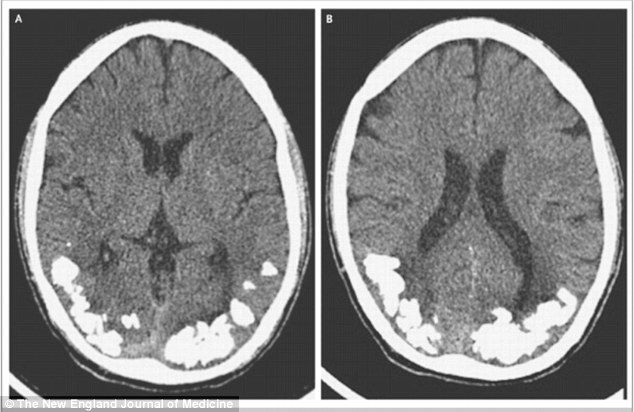
    Brazilian migraine sufferer found to have calcium stones in brain; gluten the culprit

    Anna Hodgekiss, Fri, 18 Apr 2014 10:10 CDT


    © New England Journal of Medicine

    The 'calcium stones' found in the brain of a Brazilian man suffering from headaches for several years

    A Brazilian man who suffered from terrible headaches and vision problems was found to have 'calcium stones' in his brain.

    The stones were due to him suffering from undiagnosed coeliac disease - an autoimmune disease caused by intolerance to gluten.

    Because of his symptoms of headaches and vision problems, the man had been treated for migraines but shown no signs of improvement.

    It was only when he had a CT scan that the calcium stones - patches of calcification in the back of the man's brain - were detected in the area responsible for vision, LiveScience reports.

    Tests showed fluid in the man's brain had antibodies associated with coeliac disease. The condition is caused by a reaction of the immune system to gluten - a protein found in wheat, barley and rye.

    When someone with coeliac disease eats gluten, their immune system reacts by damaging the lining of the small intestine, stopping the body from absorbing nutrients.

    The case report, published in the New England Journal of Medicine, backs up previous research that 60 per cent of coeliac patients also have neurological symptoms.

    Other symptoms of the condition can include bloating, diarrhoea, nausea, wind, constipation, tiredness, headaches, mouth ulcers, sudden weight loss, hair loss, anaemia and osteoporosis.

    Blood tests found the man had an iron deficiency and coeliac disease.

    When he began eating a gluten-free diet, taking iron tablets and epilepsy drugs, his condition improved, it was reported.

    The doctors treating the man, at the University of São Paulo, say it isn't clear how coeliac disease causes the stones to accumulate in the brain.

    One theory is that an inability to absorb iron may be to blame.

  28. The Following 4 Users Say Thank You to Hervé For This Post:

    Ahnung-quay (20th April 2014), conk (23rd April 2014), Dawn (20th April 2014), MorningFox (19th June 2014)

  29. Link to Post #475
    Netherlands Unsubscribed
    Join Date
    16th January 2012
    Age
    55
    Posts
    2,688
    Thanks
    7,860
    Thanked 12,625 times in 2,401 posts

    Default Re: The gut of most disease... NOT what you think!

    International best-selling author Donna Gates comes on Bulletproof Radio to discuss why gut ecology is vitally important to your performance and how healing it can be beneficial even for those of us that don't have digestive problems -- but chances are you probably have at least some underlying issues. On the show you'll learn three things to start doing now for better gut health and a simple breakdown on which digestive enzymes you should be taking.


  30. Link to Post #476
    France Honored, Retired Member. Hervé passed on 13 November 2024.
    Join Date
    7th March 2011
    Location
    Brittany
    Posts
    16,763
    Thanks
    60,315
    Thanked 96,087 times in 15,483 posts

    Default Re: The gut of most disease... NOT what you think!

    Fasting for three days can regenerate entire immune system, study finds

    A person's entire immune system can be rejuvenated by fasting for as little as three days as it triggers the body to start producing new white blood cells, a study suggests


    Researchers say fasting "flips a regenerative switch" which prompts stem cells to create brand new white blood cells Photo: PEGAZ/Alamy

    By Sarah Knapton, Science Correspondent
    7:51PM BST 05 Jun 2014

    Fasting for as little as three days can regenerate the entire immune system, even in the elderly, scientists have found in a breakthrough described as "remarkable".

    Although fasting diets have been criticised by nutritionists for being unhealthy, new research suggests starving the body kick-starts stem cells into producing new white blood cells, which fight off infection.

    Scientists at the University of Southern California say the discovery could be particularly beneficial for people suffering from damaged immune systems, such as cancer patients on chemotherapy.

    It could also help the elderly whose immune system becomes less effective as they age, making it harder for them to fight off even common diseases.

    The researchers say fasting "flips a regenerative switch" which prompts stem cells to create brand new white blood cells, essentially regenerating the entire immune system.

    "It gives the 'OK' for stem cells to go ahead and begin proliferating and rebuild the entire system," said Prof Valter Longo, Professor of Gerontology and the Biological Sciences at the University of California.

    "And the good news is that the body got rid of the parts of the system that might be damaged or old, the inefficient parts, during the fasting.

    “Now, if you start with a system heavily damaged by chemotherapy or ageing, fasting cycles can generate, literally, a new immune system."

    Prolonged fasting forces the body to use stores of glucose and fat but also breaks down a significant portion of white blood cells.

    During each cycle of fasting, this depletion of white blood cells induces changes that trigger stem cell-based regeneration of new immune system cells.

    In trials humans were asked to regularly fast for between two and four days over a six-month period.

    Scientists found that prolonged fasting also reduced the enzyme PKA, which is linked to ageing and a hormone which increases cancer risk and tumour growth.

    "We could not predict that prolonged fasting would have such a remarkable effect in promoting stem cell-based regeneration of the hematopoietic system," added Prof Longo.

    "When you starve, the system tries to save energy, and one of the things it can do to save energy is to recycle a lot of the immune cells that are not needed, especially those that may be damaged," Dr Longo said.

    "What we started noticing in both our human work and animal work is that the white blood cell count goes down with prolonged fasting. Then when you re-feed, the blood cells come back. So we started thinking, well, where does it come from?"

    Fasting for 72 hours also protected cancer patients against the toxic impact of chemotherapy.

    "While chemotherapy saves lives, it causes significant collateral damage to the immune system. The results of this study suggest that fasting may mitigate some of the harmful effects of chemotherapy," said co-author Tanya Dorff, assistant professor of clinical medicine at the USC Norris Comprehensive Cancer Center and Hospital.

    "More clinical studies are needed, and any such dietary intervention should be undertaken only under the guidance of a physician.”

    "We are investigating the possibility that these effects are applicable to many different systems and organs, not just the immune system," added Prof Longo.
    However, some British experts were sceptical of the research.

    Dr Graham Rook, emeritus professor of immunology at University College London, said the study sounded "improbable".

    Chris Mason, Professor of Regenerative Medicine at UCL, said: “There is some interesting data here. It sees that fasting reduces the number and size of cells and then re-feeding at 72 hours saw a rebound.

    “That could be potentially useful because that is not such a long time that it would be terribly harmful to someone with cancer.

    “But I think the most sensible way forward would be to synthesize this effect with drugs. I am not sure fasting is the best idea. People are better eating on a regular basis.”

    Dr Longo added: “There is no evidence at all that fasting would be dangerous while there is strong evidence that it is beneficial.

    “I have received emails from hundreds of cancer patients who have combined chemo with fasting, many with the assistance of the oncologists.

    “Thus far the great majority have reported doing very well and only a few have reported some side effects including fainting and a temporary increase in liver markers. Clearly we need to finish the clinical trials, but it looks very promising.”

  31. The Following 4 Users Say Thank You to Hervé For This Post:

    Dawn (6th June 2014), meat suit (12th June 2014), Roisin (6th June 2014), ThePythonicCow (6th June 2014)

  32. Link to Post #477
    Avalon Member
    Join Date
    28th January 2012
    Posts
    2,034
    Thanks
    4,895
    Thanked 7,305 times in 1,783 posts

    Default Re: The gut of most disease... NOT what you think!

    That's good to know because 3 days is the limit for me when it comes to fasting. After that I start getting awful charley horses in the morning just as I'm waking up when I automatically stretch. Ouch!

    But if a 3 day fast is as good as they are saying in that article, then I will continue to do them!

  33. The Following 2 Users Say Thank You to Roisin For This Post:

    Dawn (6th June 2014), Hervé (6th June 2014)

  34. Link to Post #478
    France Honored, Retired Member. Hervé passed on 13 November 2024.
    Join Date
    7th March 2011
    Location
    Brittany
    Posts
    16,763
    Thanks
    60,315
    Thanked 96,087 times in 15,483 posts

    Default Re: The gut of most disease... NOT what you think!

    Exercise Activity Increases Gut Bacteria


    Heather Callaghan
    Activist Post

    Would you be fascinated to know that there is a journal Gut?

    Just Gut. One journal completely devoted to gut studies in the realm of gastroenterology. As far science trends are concerned, the gut has become a sexy topic, if you can believe it. But it should be more than that.

    A lot of people hear "exercise" and think "yeah, yeah, blah, blah..." Or maybe it's only a means to become sexy.

    But it should be more than that...

    This particular study published in journal Gut - albeit a small one - if true, should be all the more proof that movement is a part of diet and not just a separate entity for the body.

    Research is finally lending its collective credibility to gut microbiota, immunity and the gut-brain connection. You could have asked farmers half a century ago for another reason they liked antibiotics - it somehow fattened their animals. Yet it is only now that conventional research is drawing a connection between antibiotic use and human obesity problems. And probiotics and good health.

    Most people think of taking probiotics through supplements or fermented foods and drinks. Exercise is now a good way to boost healthy gut bacteria. Diet did play a role in the following study.

    Researchers studied fecal and blood samples of 40 professional rugby players, chosen for their extreme diets and exercise as a comparison. Those were compared with samples from 46 healthy men with normal body mass index (BMI) and some of those 46 were chosen for having higher BMI.


    They all answered food questions - how much and how often they ate 187 different foods over a four-week period. Their normal levels of physical activity were surveyed.

    The athletes had higher levels of creatine kinase, an enzyme indicator for muscle and tissue damage. BUT, they had lower levels of inflammatory markers than the healthy men as well as a better metabolic profile.

    Here's where else the gut bacteria factors in. Athletes had higher levels of several microbial types (taxa). They had significantly higher proportions of 48 taxa than men with high BMI; and of 40 taxa than men with normal BMI. They showed much higher amounts of Akkermansiaceae - a bacteria species linked to having lower rates of obesity and associated metabolic disorders.

    Rugby players ate more from all the food groups and protein from meats made a bulk of their diet and 22% more of their energy intake. They also took a lot of protein supplements and had hearty amounts of fruit and vegetables, but fewer snack foods than their counterparts.

    Dr. Georgina Hold, of the Institute of Medical Sciences at Aberdeen University believes there has never been a more important time to understand the health of our resident microbiota.

    In a linked editorial, she said:
    Our findings indicate that exercise is another important factor in the relationship between the microbiota, host immunity and host metabolism, with diet playing an important role.
    She pointed out that we are comprised by trillions of bacteria, the whole of which are implicated in many conditions and determine how well we harvest the energy from the foods we eat.

    Does this mean I have to take up rugby?

    Not unless that's your thing. But the idea here is that movement matters to your gut. It's not separate from your "diet," its a part of it.

  35. The Following 5 Users Say Thank You to Hervé For This Post:

    annacherie (23rd June 2014), conk (18th June 2014), Elixir (12th June 2014), onawah (11th June 2014), wegge (17th June 2014)

  36. Link to Post #479
    United States Avalon Member onawah's Avatar
    Join Date
    28th March 2010
    Language
    English
    Posts
    26,276
    Thanks
    54,869
    Thanked 141,899 times in 24,675 posts

    Default Re: The gut of most disease... NOT what you think!

    STUDY SHOWS FASTING TRIGGERS STEM CELL REGENERATION

    (Though I wonder if this applies to juice fasting, which is a heck of a lot easier to do...)

    http://news.therawfoodworld.com/stud...-regeneration/

    Quote (TRFW News) A study in the June 5th issue of the Cell Press journal Cell Stem Cell clearly indicated how stem cells shift from dormant to self-renewing when the body experiences prolonged cycles of fasting.(1)

    A state of starvation activates recycling of white blood cells
    White blood cells decreased in numbers, which is explained by Valter Longo, the Edna M. Jones Professor of Gerontology and the Biological Sciences at the USC Davis School of Gerontology, and director of the USC Longevity Institute: “When you starve, the system tries to save energy, and one of the things it can do to save energy is to recycle a lot of the immune cells that are not needed, especially those that may be damaged.” Once the person would start eating again, new white blood cells are created. The study has so far involved both mice and the first human testing stage, phase 1 human clinical trial.

    Fasting generates new immune system
    Another huge benefit from prolonged fasting is how our levels of IGF-1 lowers as a result. This is a growth-factor hormone linked to the risk of cancer, the progression of tumors and also our aging. Longo explains further:
    “PKA is the key gene that needs to shut down in order for these stem cells to switch into regenerative mode. It gives the ‘okay’ for stem cells to go ahead and begin proliferating and rebuild the entire system.” He and his team also found that: “…the good news is that the body got rid of the parts of the system that might be damaged or old, the inefficient parts, during the fasting. Now, if you start with a system heavily damaged by chemotherapy or aging, fasting cycles can generate, literally, a new immune system.”

    These are great news, especially since statistics show how nearly 14 million people were diagnosed with cancer during 2012 (2), and this new discovery may have a very positive impact on how the consequential damages of chemotherapy treatment will be significantly reduced.

    Sources for this article include:

    www.sciencedaily.com
    www.cancerresearchuk.org
    Each breath a gift...
    _____________

  37. The Following 2 Users Say Thank You to onawah For This Post:

    conk (18th June 2014), Hervé (18th June 2014)

  38. Link to Post #480
    United States Administrator ThePythonicCow's Avatar
    Join Date
    4th January 2011
    Location
    North Texas
    Language
    English
    Age
    78
    Posts
    31,050
    Thanks
    38,418
    Thanked 156,073 times in 23,893 posts

    Default Re: The gut of most disease... NOT what you think!

    Quote Posted by onawah (here)
    STUDY SHOWS FASTING TRIGGERS STEM CELL REGENERATION

    (Though I wonder if this applies to juice fasting, which is a heck of a lot easier to do...)
    I'm a semi-clueless, semi-newbie at this, but I'd guess not.

    I suspect that the body has to switch to its "no food seen for days" metabolism in order to get these fasting effects. The carbs (sugars) in fruit juice would be quite sufficient to avoid this change.
    My quite dormant website: pauljackson.us

  39. The Following 3 Users Say Thank You to ThePythonicCow For This Post:

    genevieve (20th June 2014), meat suit (23rd June 2014), onawah (20th June 2014)

+ Reply to Thread
Page 24 of 28 FirstFirst 1 14 24 28 LastLast

Tags for this Thread

Posting Permissions

  • You may not post new threads
  • You may not post replies
  • You may not post attachments
  • You may not edit your posts