 Posted by shaberon
(here)
Posted by shaberon
(here)
Posted by Vedi
(here)
These texts are simply called Ṛgveda. We do not know who have written these texts and how long ago. We only know that Ṛgveda had been orally transmitted for thousands of years (or even millions of years in my opinion) before it was first written down by Vasukra, one Kashmiri Brāhmaṇa. Due to the extraordinary measures of preserving the Ṛgveda by the Brāhmaṇas of India, we have the unadulterated text of the Ṛgveda handed down to us from remote antiquity.
Hi,
Interesting idea, although this is a rather extraordinary statement.
The hymns identify themselves by the composers.
I, personally, take it as a scripture in the sense that it is exactly copied, unadulterated, with certain exceptions.
What would give the impression that any of its contents are much older than about 1,800 B. C. E.?
So far, I have found the "late" recension of the Atharva Veda has mantra that implies
Krttika marked the vernal equinox, which would have been the case generally in the 2,000s B. C. E.; however, this is followed by a refusal to accept
precession, such that the Greek doctrine was said to be
wrong in the Siddhantas of the relatively modern era. I find it difficult to believe that any concept of the "Great Year" ever happened, until someone ran those calculations backwards. That doesn't seem to be a valid "timer" for anything that was actually known to humanity.
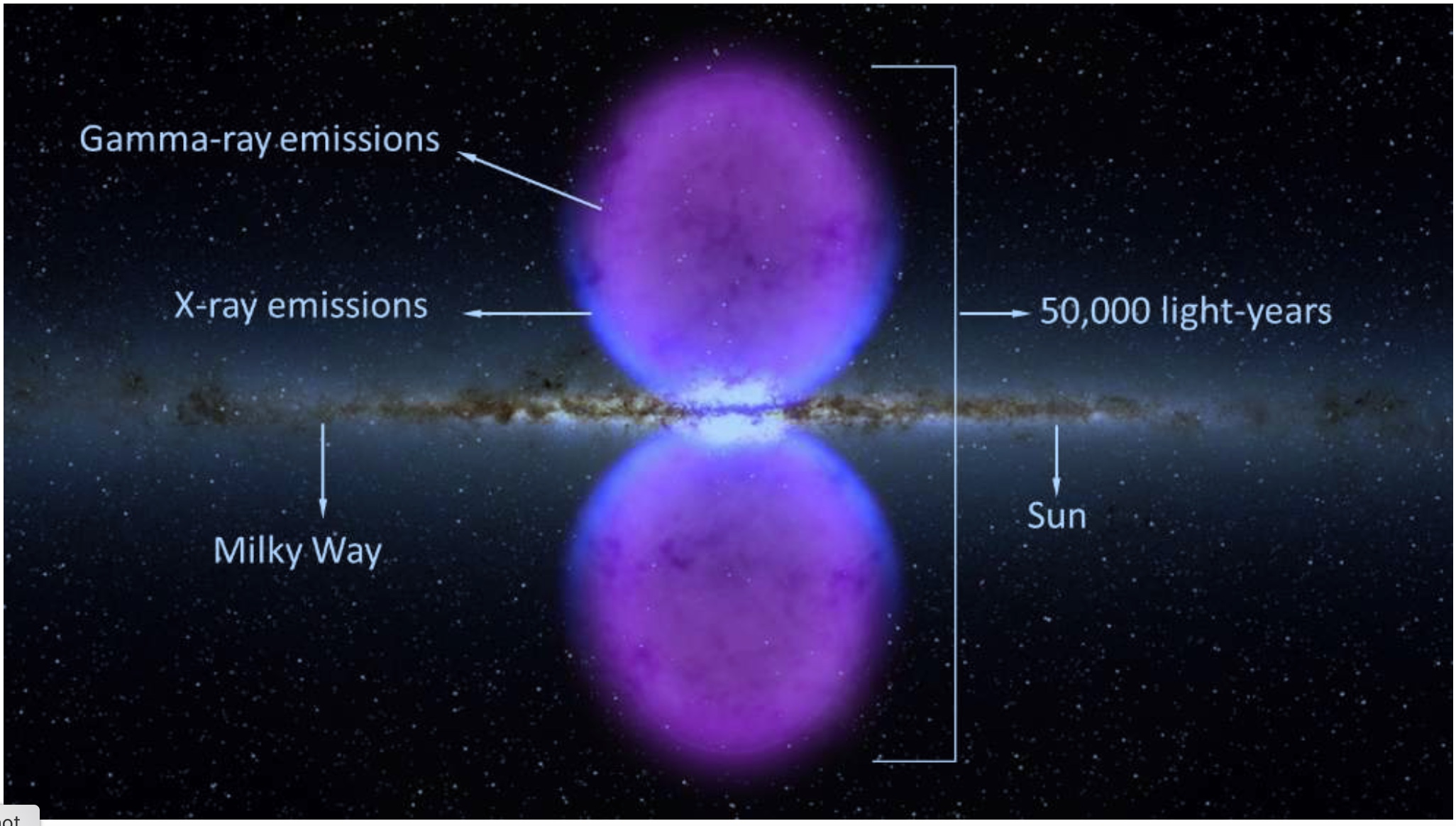
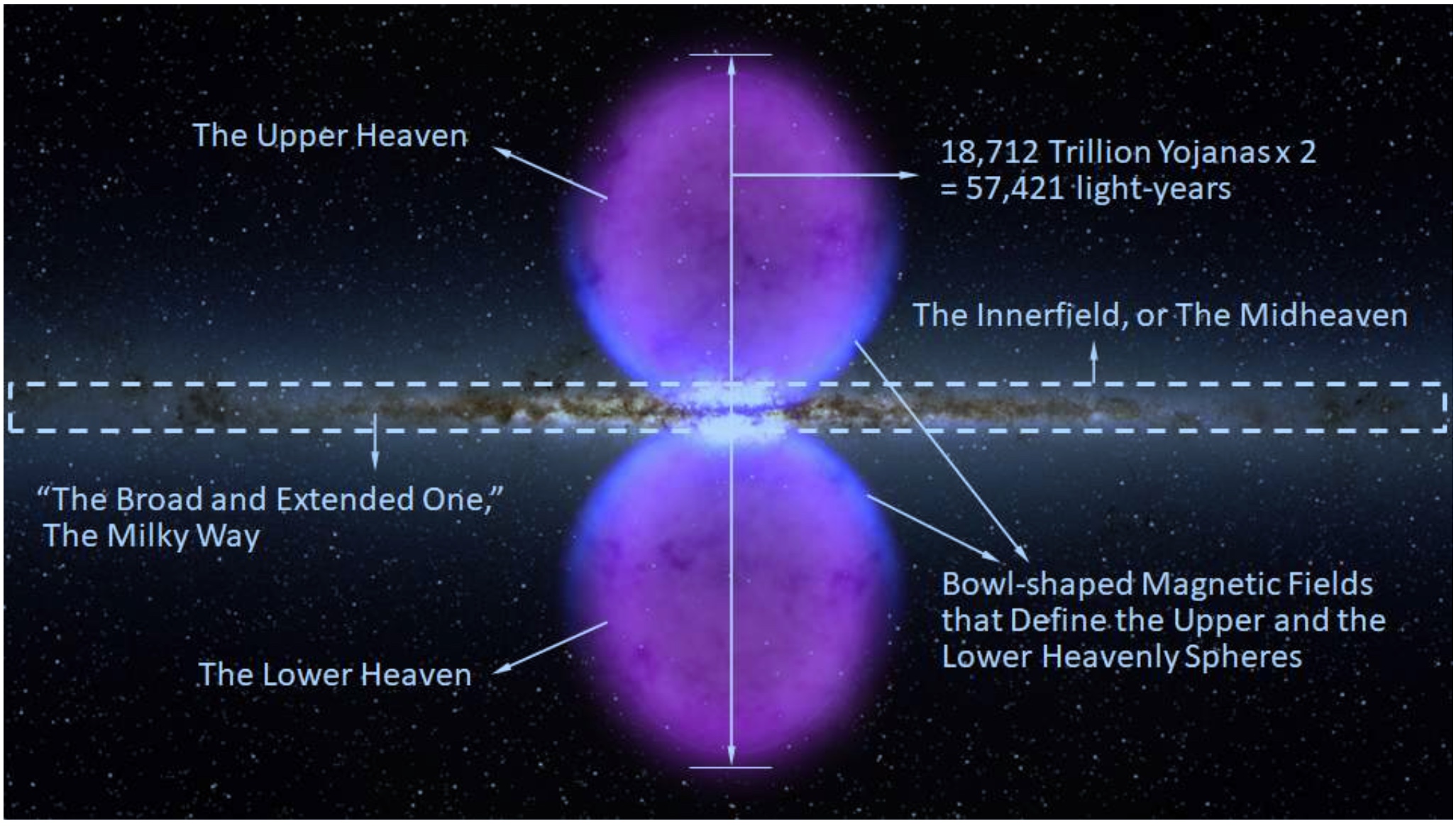
The lobe-shaped protuberances surrounding the galaxy are formed by the supermassive black hole at the core, which is in
Mula Naksatra, which is considered the
worst influence, likely symbolized by the Vedic metaphor
Down a Well.
I strongly disbelieve that any
Brahmanical commentaries have any
actual knowledge of the contents of the hymns, certainly not completely. Mainly what they have focused on is simply running a ritual. One of the major purposes of the original was simply to define The Year, upon which rituals were to be based. Our currently-accepted year of 365 1/4 days was started by a decree in Egypt in about the 200s B. C. E., whereas older systems were more of an attempt to combine lunar months to make the cycle.
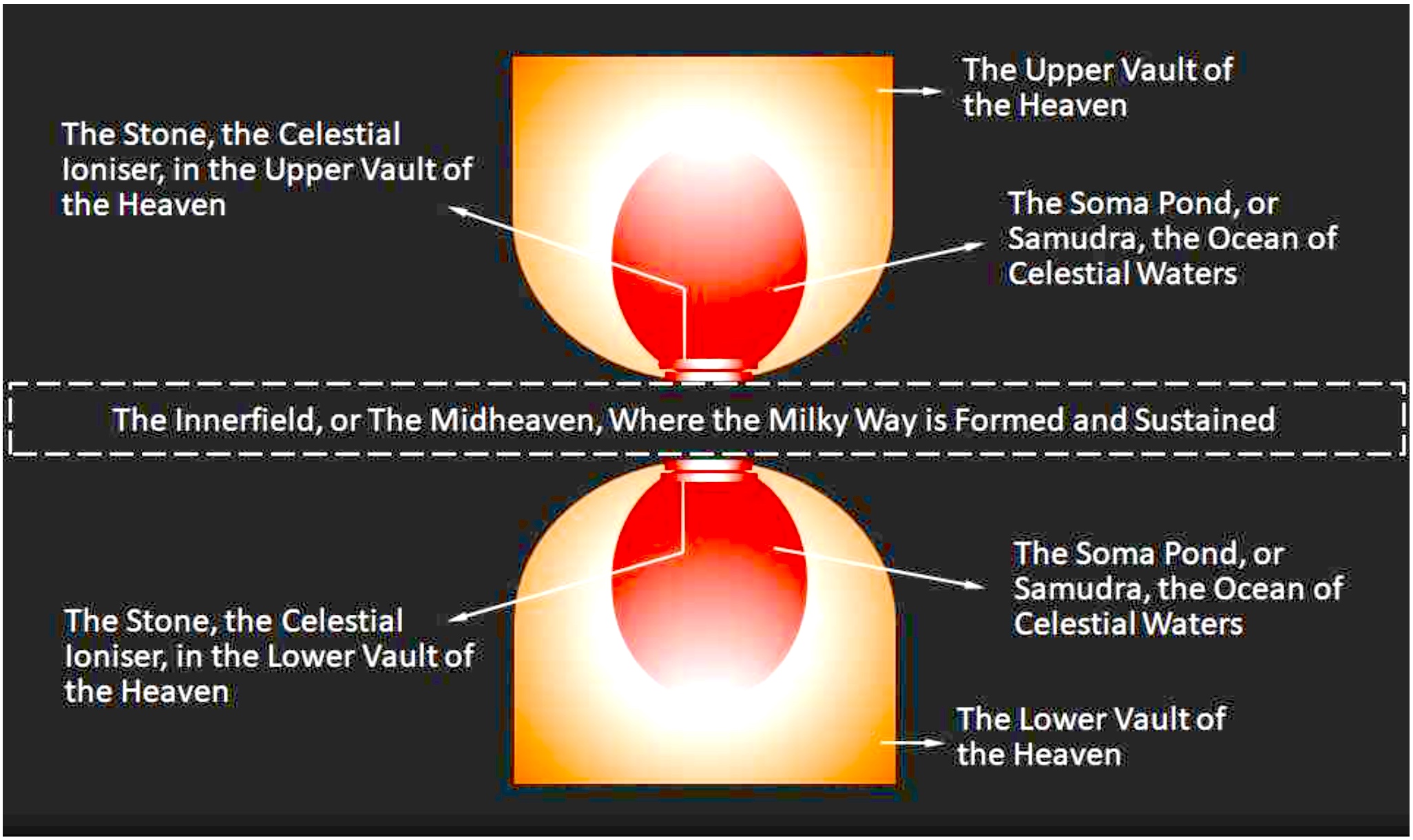
In a certain sense, I think the point being raised has something to it, but I have to question the "cosmic structure" because it looks like a lot of later interpolations.
On the other hand, since we have also studied this in terms of Bio-plasma, I suggest it is also a "Vedic entity":
Agni Vaisvanara
so, rather than being about outer space, it is about life under the sun at this very moment.
The Rg Veda has numerous references to "Heaven and Earth", primarily
Dyavaprithvi and
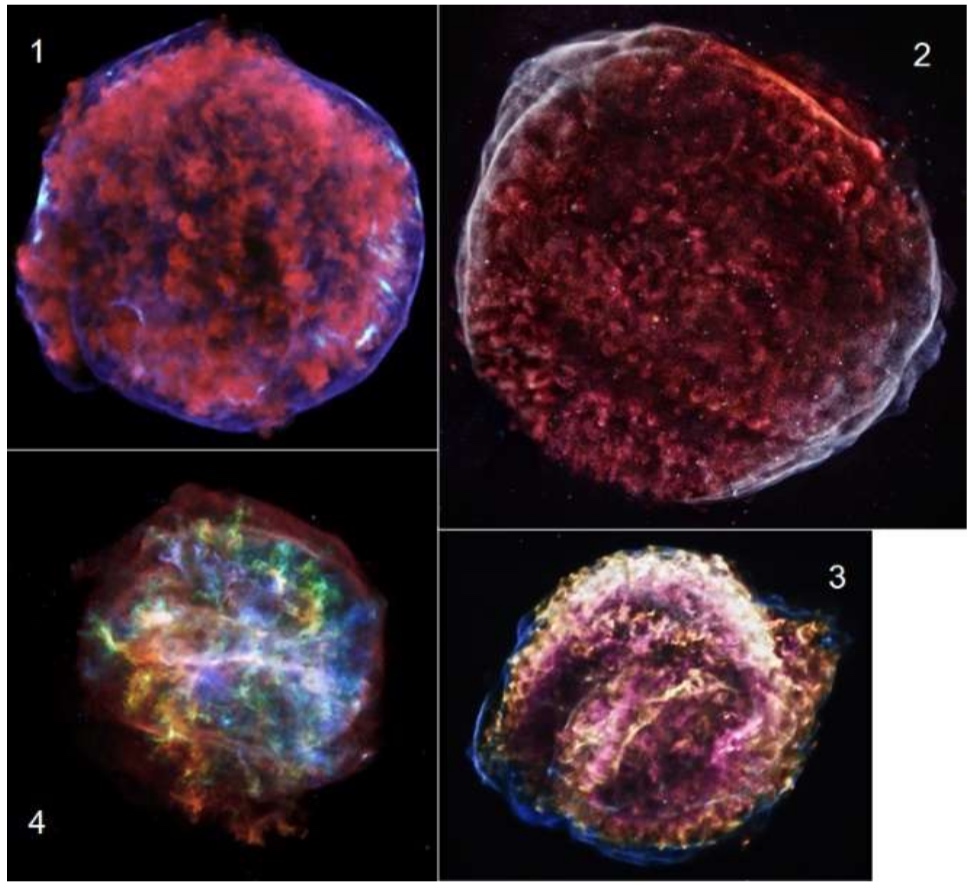
Rodasi. That is one of its main subjects. It seems to consistently be about things that are readily observable by anyone. What would be the reason to assign it meaning that requires, for example, an x-ray telescope?


 Celestial Plasma / Ṛgveda

 Reply With Quote



Bookmarks